
At a Glance
- Skill Level: Beginner (No crafting experience required!)
- Time Required: 10 to 15 minutes
- Estimated Cost: $0 (Perfect use for items destined for the rag bin)
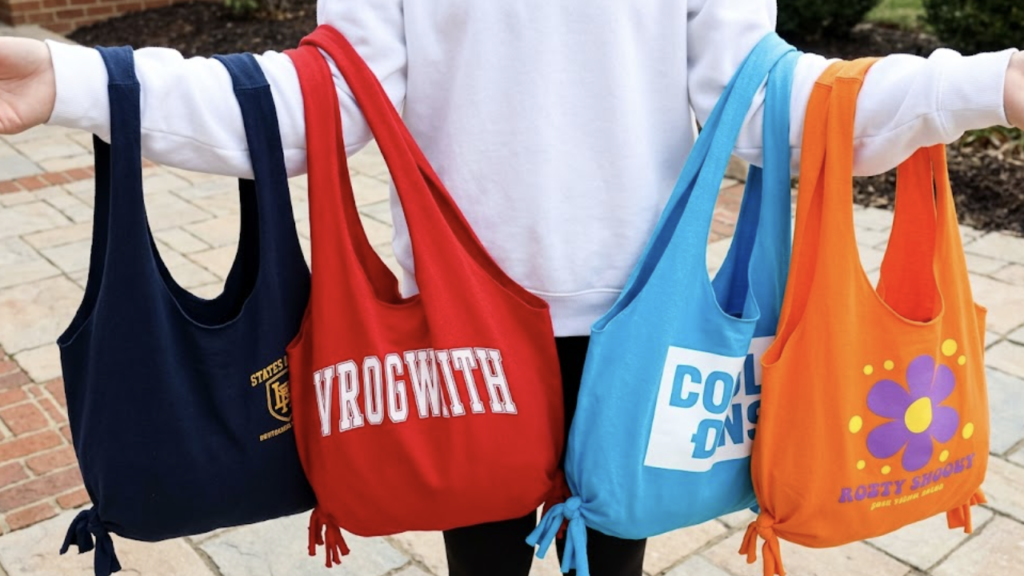
We all have that pile of old t-shirts we can’t bear to throw away but never actually wear. Instead of letting them collect dust, you can transform them into functional, durable grocery bags, beach totes, or everyday carryalls. Today, we’re diving into an eco-friendly upcycling project: the no-sew tote bag.
Let’s look at how to take a simple shirt and turn it into a stylish accessory.
Materials Needed
To build your no-sew tote bag, you only need two basic supplies from around the house:
- 1 Old T-Shirt: Use a stretchy t-shirt for the best results. Thicker cotton shirts will yield a stronger, more heavy-duty bag.
- Fabric Scissors: A sharp pair of scissors is crucial here. Regular paper scissors will chew through the knit fabric, whereas sharp fabric shears will give you clean, crisp edges.
I use this exact product:

- Ultra Sharp Fabric Scissors: Wteehn sewing scissors for fabric cutting is made of high-quality…
- Professional Fabric Sewing Scissors: Our tailor scissors are designed for fabric cutting and sewing…
Step-by-Step Instructions
Step 1: Prep and Flatten Your T-Shirt
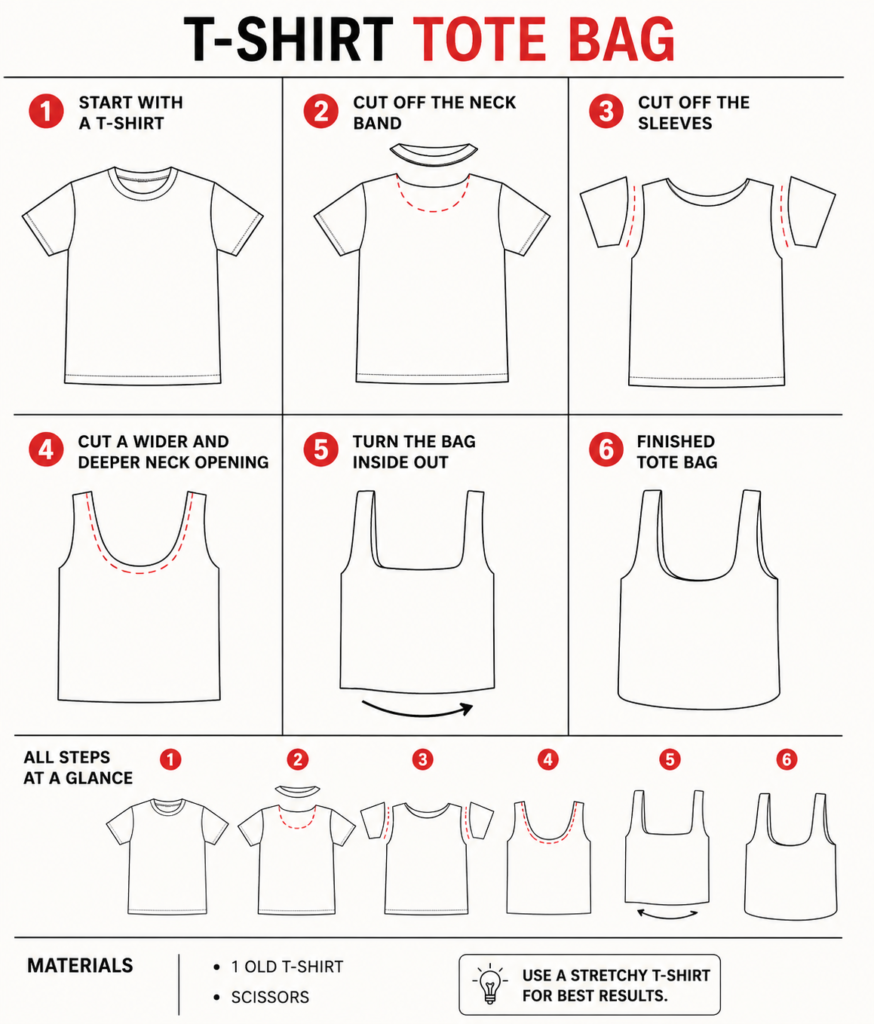
Lay your chosen t-shirt completely flat on a clean, hard surface like a crafting table or workbench. Smooth out any wrinkles with your hands so the front and back layers align perfectly.
Step 2: Cut Off the Neck Band
Using your sharp scissors, carefully cut around the outside edge of the t-shirt’s collar band. Follow the natural curve of the neckline. This opening will serve as the top access point for your tote bag.
Step 3: Cut Off the Sleeves
Trim away the sleeves by cutting just outside the seam line of each shoulder. Removing the sleeves transforms the shirt’s shoulder straps into the main carry handles of your new no-sew tote bag.
Step 4: Deepen the Neck Opening
To allow your bag to hold bulkier items and stretch open easily, cut a wider and deeper U-shape around the original neck opening.
Pro-Tip: Fold the shirt in half vertically before cutting this step. This ensures both handles are cut completely symmetrical!
Step 5: Seal the Bottom (No-Sew Style)
Turn the bag completely inside out. To close off the bottom of your bag without picking up a needle and thread, you have two excellent DIY options:
- The Fringe-Tie Method: Cut vertical slits (about 2 to 3 inches deep and 1 inch wide) all along the bottom hem of the shirt, cutting through both the front and back layers simultaneously. Tie each matching front-and-back fringe piece together tightly using a double knot.
- The Fabric Glue Method: Apply a thick, continuous line of heavy-duty permanent fabric glue along the inside bottom edge, press firmly, and let it cure completely.
Step 6: Flip and Finish Your Tote Bag
Once your bottom closure is securely tied or dried, turn the bag right-side out through the neck opening. Your brand-new, eco-friendly no-sew tote bag is now complete and ready to hit the farmer’s market!
There you have it! An incredibly quick, waste-reducing project that keeps textiles out of landfills and gives you a handy bag for your next adventure. It’s a great weekend activity to do with kids or a quick way to prep a few extra reusable grocery sacks. Until next time, keep your cuts sharp, your waste low, and your creativity flowing!
Frequently Asked Questions (FAQs)
1. How much weight can a no-sew tote bag hold?
Because t-shirt fabric is knitted and naturally stretchy, a standard cotton tote can easily handle 10 to 15 pounds—perfect for a few books, light groceries, or beach essentials. If you use the fringe-tie method, make sure your knots are incredibly tight to prevent items from slipping through.
2. Can I wash my new upcycled tote bag?
Yes, absolutely! Wash your no-sew tote bag inside out in cold water on a gentle cycle, then tumble dry low or air dry. If you used fabric glue to seal the bottom, ensure the glue bottle explicitly states “permanent and machine-washable” before tossing it in the laundry.
3. What kind of t-shirt works best for this project?
Medium-to-heavyweight 100% cotton shirts or cotton-poly blends work best. Seamless side shirts offer great structural integrity. Avoid very old, worn-out, or thin fabric shirts, as they will stretch out excessively and could drop your belongings.
4. How do I stop the raw cut edges of the t-shirt from fraying?
One of the best properties of t-shirt knit fabric (jersey cotton) is that it does not fray when cut! The edges will naturally roll inward slightly over time and after washing, which actually gives the handles a clean, finished appearance.
5. My bag stretches down too far when I put items in it. How can I fix this?
If your bag stretches too low, you can shorten it by cutting the original shirt shorter before tying the bottom knots. Alternatively, you can double-layer the bag by nesting two cut t-shirts inside one another before tying the bottom fringes together for a heavy-duty, double-thick tote.