Tool Maintenance Checklist At a Glance
- A tool maintenance checklist is a short, repeatable routine that keeps tools accurate, safe, and ready to use
- This guide delivers a 15-minute monthly checklist paired with a simple tool maintenance calendar
- Tasks focus on the highest-impact checks for blades, batteries, dust control, lubrication, and safety
- Time estimates help you finish maintenance without turning it into a full project
- Guidance shows which issues to fix now versus monitor for later
- Designed for beginner to intermediate DIYers who want reliable tools with minimal effort
If your drill feels weaker, your saw cuts rough, or dust piles up fast, maintenance is overdue. A tool maintenance checklist turns upkeep into a quick habit instead of a weekend chore.

- KEEPS EQUIPMENT RUNNING SMOOTHLY: Use Dry Lube for superior lubrication and long-lasting corrosion...
- NO STICKY RESIDUE: Resists dirt and dust accumulation with no sticky residue.

You will get a copy-and-keep checklist, a light quarterly deep dive, and clear guidance on what to replace versus restore. The goal is fewer breakdowns, safer use, and better results with less effort.
The 15-Minute Monthly Checklist
Built around real workshop habits, this monthly tool maintenance routine focuses on the small checks that prevent most common breakdowns and safety issues.
Keep a printed copy near your bench or save it to your phone so it is always within reach when maintenance time comes up.

Blades and Bits
- Inspect for chips, bends, or heavy pitch.
- Brush off debris and wipe with a dry rag.
- Touch up edges with a quick hone if needed.
- Confirm bits seat fully and lock properly.
Why it matters: Clean, sharp cutters reduce tear-out and strain on motors.

Batteries
- Store at about 40 to 60 percent charge if unused.
- Rotate packs so one does not sit idle.
- Clean contacts with a dry cloth.
- Check cases for cracks or swelling.
Why it matters: Proper storage extends battery life and keeps charge times consistent.

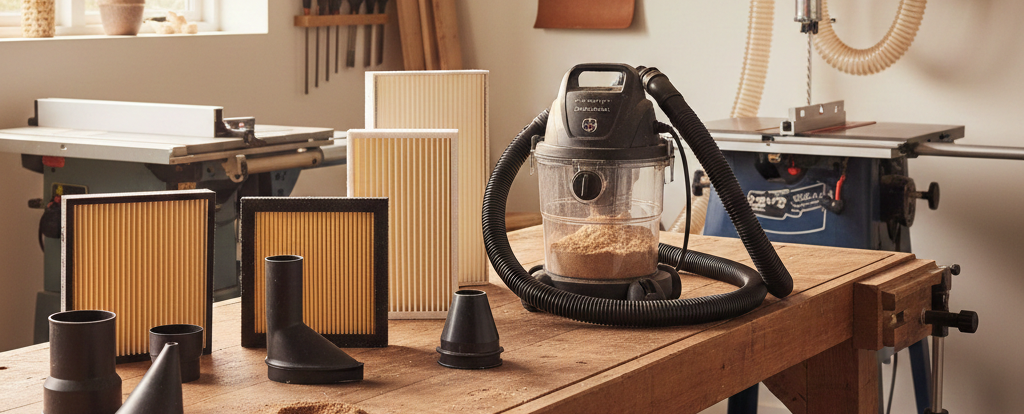
Dust and Filters
- Empty shop vacs and dust ports.
- Tap or rinse filters if washable.
- Check hoses for clogs.
- Wipe intake vents on tools.
Why it matters: Airflow keeps motors cool and preserves suction.
Lube Points and Fasteners
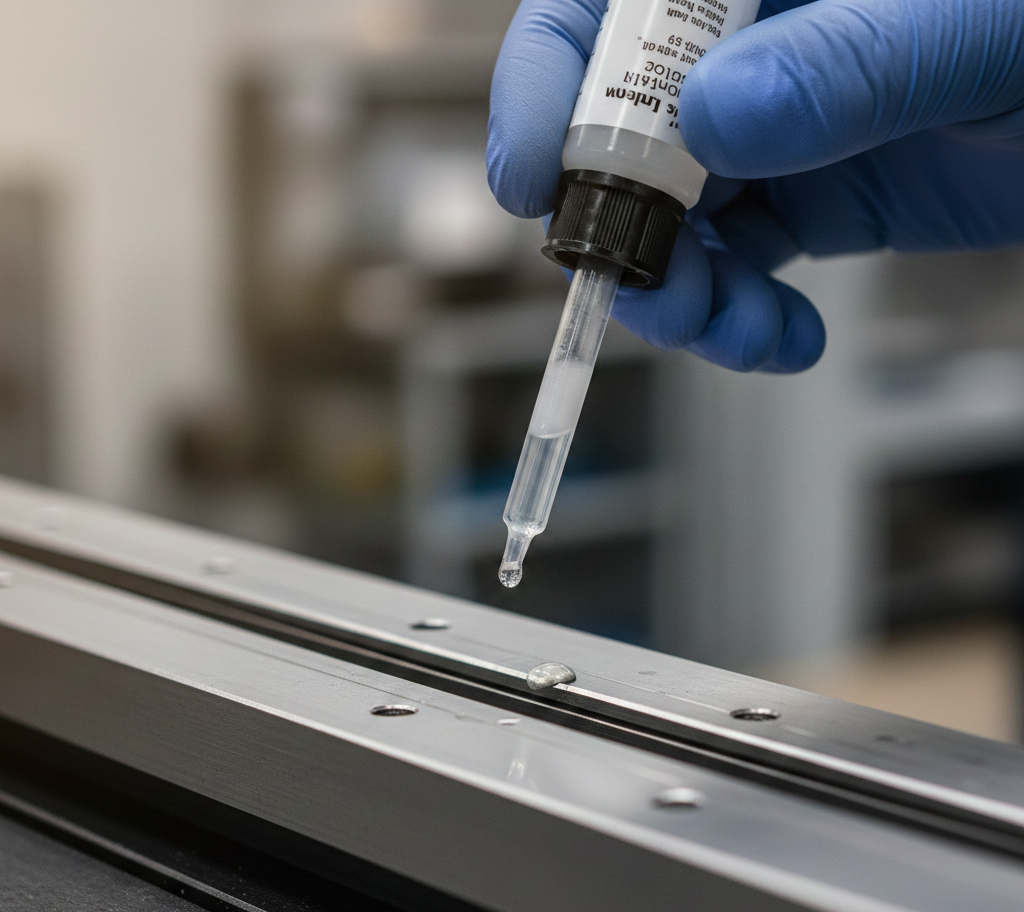
- Add a drop of dry lube to rails and slides.
- Tighten visible screws and knobs.
- Spin moving parts by hand to feel resistance.
Why it matters: Smooth movement protects accuracy and reduces wear.
Safety Checks
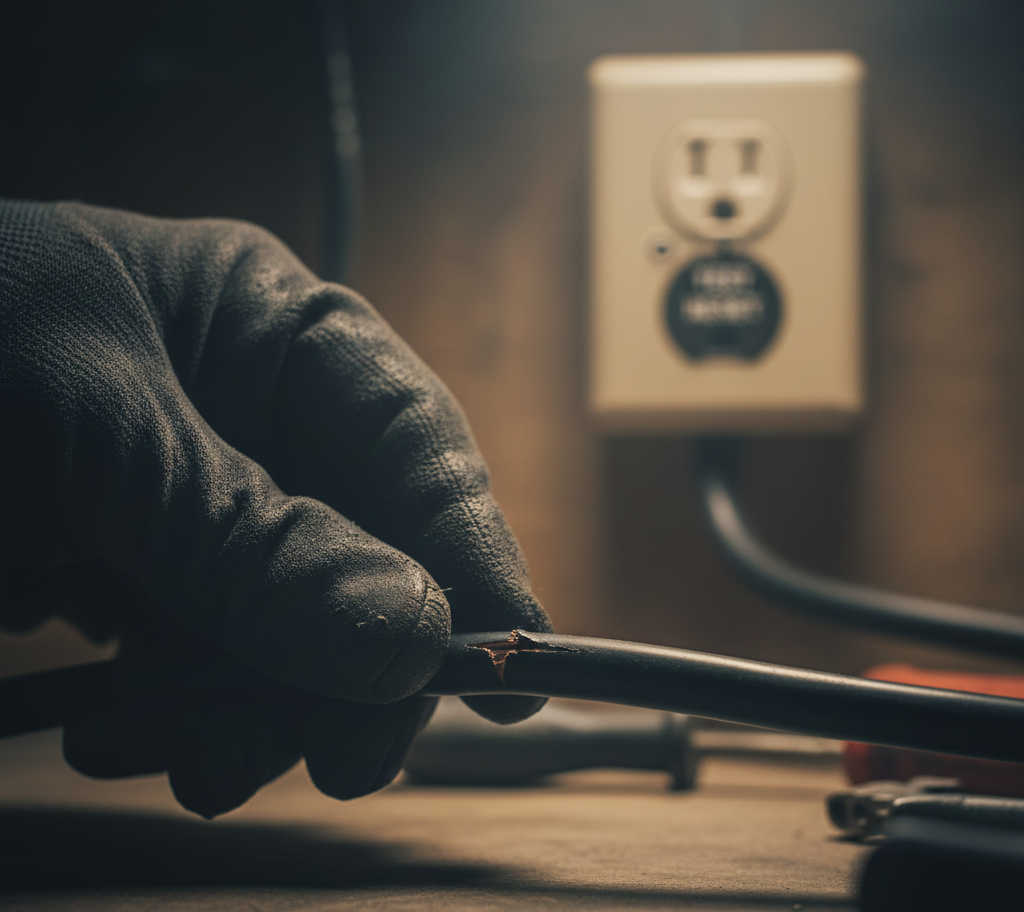
- Inspect cords for nicks.
- Test GFCI outlets.
- Confirm guards move freely.
- Verify switches return to off.
Why it matters: Small safety checks prevent big injuries.

- QD ELECTRONICS CLEANER: A precise cleaner made from petroleum distillate and alcohol that is fast...
- FORMULA: With quick-drying, plastic safe, residue-free features, this cleaner is ideal for even the...
Simple Monthly Tool Maintenance Checklist Calendar
Use this lightweight tool maintenance checklist calendar as a rotating focus system. Each month emphasizes one priority area, with a full 15-minute reset scheduled twice a year to keep tools dependable and ready to use.
January: Blades and Bits
- Inspect cutting edges
- Clean off pitch and debris
- Perform quick touch-ups as needed
February: Batteries
- Check charge levels
- Rotate battery packs
- Clean battery contacts
March: Dust and Filters
- Empty shop vacs
- Clear hoses and ports
- Clean tool vents
April: Lubrication and Fasteners
- Lubricate slides and rails
- Tighten visible screws and knobs
May: Safety Checks
- Inspect cords for damage
- Test GFCI outlets
- Confirm guards move freely
June: Full Maintenance Pass
- Run through the complete 15-minute tool maintenance checklist
July: Blades and Bits (Repeat)
- Recheck cutters and bits
- Replace any tools that no longer hold an edge
August: Batteries (Repeat)
- Inspect for heat damage or swelling
- Confirm packs charge and seat properly
September: Dust and Airflow (Repeat)
- Recheck filters
- Replace any that are clogged or worn
October: Lubrication and Fasteners (Repeat)
- Listen for unusual resistance or vibration
- Address stiffness early
November: Safety Checks (Repeat)
- Reinspect cords and switches
- Fix issues before winter projects begin
December: Full Maintenance Reset
- Complete a full 15-minute pass
- Reset tools before the new year
Tip: Add one recurring phone reminder each month labeled “15-Minute Tool Maintenance” to stay consistent.

- Microfiber 16 x 12-inch cleaning cloth (24-pack); ideal for cleaning cars, trucks, boats, and more
- Ultra-soft and non-abrasive car drying towels; will not scratch paints, vinyl, glass, finishes, or...
Quarterly Deep Dive
In addition to monthly checks, a quarterly deep dive addresses alignment, calibration, and wear that develop over longer use.
- Check alignments on saw fences and miter gauges.
- Wax cast iron tops for rust prevention.
- Calibrate depth stops and angle scales.
- Inspect belts and brushes if accessible.
Regular attention at this stage helps maintain consistent accuracy over time and prevents small alignment issues from stacking into bigger problems.
What to Replace vs Restore
Use this quick decision guide to determine when basic maintenance is enough and when replacement is the safer option.
Restore if:
- The tool works but feels rough or inaccurate.
- Blades are dull but not chipped.
- Batteries hold charge but drain faster.
Replace if:
- Housings are cracked or warped.
- Cords expose wire.
- Bearings grind loudly after cleaning and lube.
Restoring saves money. Replacing protects safety.
Common Beginner Mistakes to Avoid
New DIYers often focus on the wrong tasks or overdo simple fixes, which can quietly shorten tool life and affect performance.
- Skipping dust cleanup and only sharpening.
- Over-lubing with wet oil that attracts grit.
- Storing batteries fully charged for months.
- Ignoring loose fasteners that affect accuracy.
Avoiding these errors makes a woodworking tool maintenance routine effective.
Recommended Small Supplies
Keeping a short list of dedicated supplies on hand makes monthly tool maintenance faster and more consistent.
Keep a small box with:
- Nylon brush and microfiber cloths.
- Dry lubricant spray.
- Contact cleaner for battery terminals.
- Pleated replacement filters sized to your vac.
A small, well-chosen set of supplies supports steady power tool upkeep while keeping your bench and storage areas organized and manageable.
Make Tool Care a Habit That Sticks
Tool maintenance works best when it fits naturally into your routine. A short, repeatable tool maintenance checklist completed in just fifteen minutes each month helps preserve accuracy, extend tool life, and support safer projects.
Put this guide to work by saving it and building maintenance into your regular workflow. Try the checklist this month, come back to it when needed, and explore related DIYs on sharpening, dust collection, and battery care to keep your tools ready for whatever project comes next.
FAQs
How often should I follow a tool maintenance checklist?
Most DIYers benefit from completing a tool maintenance checklist once a month. This cadence catches common issues like dust buildup, loose fasteners, and battery problems before they affect performance or safety.
How long does monthly tool maintenance really take?
A basic monthly tool maintenance checklist takes about 15 minutes for a typical home workshop. Focusing on one priority area each month helps keep the process fast and manageable.
Does this tool maintenance checklist work for power tools and hand tools?
Yes. Power tools benefit from dust control, battery care, and lubrication, while hand tools need cleaning, edge touch-ups, and rust prevention. The same monthly routine can cover both.
What tools need the most frequent maintenance?
Cordless drills, saws, sanders, and shop vacs need the most attention because they generate dust and heat. Cutting tools and batteries should always be checked monthly.
Is monthly tool maintenance enough for heavy or frequent use?
For tools used several times a week, monthly maintenance should be paired with quick weekly dust cleanups. The checklist still applies, but high-use tools may need more frequent attention.
What happens if I skip a month of tool maintenance?
Skipping one month is not a problem. Resume the next month with a full 15-minute pass through the tool maintenance checklist to reset everything.
Do I need special products for tool maintenance?
No specialty products are required. Basic supplies like a brush, cloths, dry lubricant, and contact cleaner handle most monthly maintenance tasks.
Can I use a digital reminder instead of a printed checklist?
Yes. Many DIYers prefer a phone reminder or calendar alert. The key is consistency, not the format of the tool maintenance checklist.