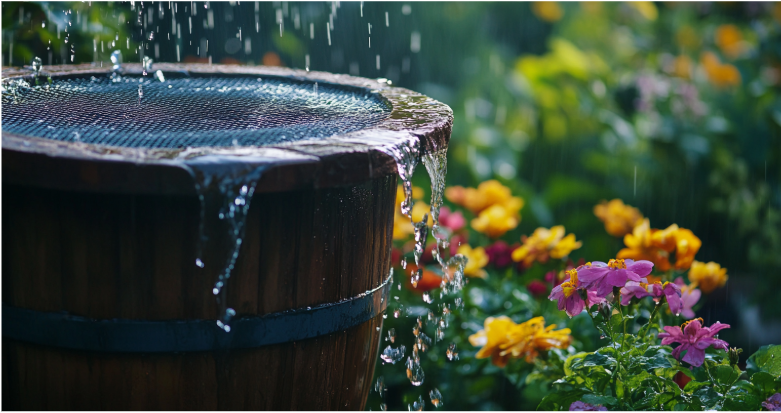
Spring showers are more than signs of incoming warmer weather. They’re also an opportunity to collect free water for your garden. Instead of letting rainwater wash away, why not store it for later use? A rain barrel is a simple and cost-effective way to conserve water, reduce runoff, and lower your utility bill. This guide will show you how to build, use, and maintain a rain barrel so you can make the most of every drop.
Why You Should Use a Rain Barrel
Watering a garden can get expensive, especially in dry months. A rain barrel allows you to collect water from your roof and save hundreds of gallons each year. Even better, rainwater doesn’t contain the chlorine and chemicals found in tap water, which makes it a better option for plants.
Beyond personal savings, collecting rainwater benefits the environment. It reduces runoff, prevents erosion, and keeps local waterways cleaner. Some cities even offer rebates for homeowners who install rain barrels. Check with your local water department to see if you qualify.
For more ways to conserve water, visit the EPA’s Water Efficiency Guide.
What You Need to Build a Rain Barrel
Creating a rain barrel doesn’t require expensive supplies. Many of these items can be found at home improvement stores:
- A 55-gallon food-grade plastic barrel (ensure it was never previously used to store chemicals)
- A ¾-inch spigot with a threaded adapter for controlled water flow
- A hose or overflow pipe to prevent flooding
- A drill with a hole saw for making openings
- Fine mesh screen to keep out debris and insects
- Cinder blocks to raise the barrel for better access
If you prefer a ready-made option, many retailers sell rain barrel kits. However, making one yourself allows for customization and is often more budget-friendly.
Step-by-Step Guide to Building a Rain Barrel
Building a rain barrel is easier than you think! Follow these simple steps to create your own water-saving system for gardening and outdoor use.
- Prepare the Barrel
First, clean the barrel thoroughly. If it previously held food, rinse it with mild soap and water. Avoid barrels previously used to stored chemicals. - Install the Spigot
About two inches from the bottom, drill a hole and insert the spigot. Use waterproof sealant or rubber washers to prevent leaks. - Add an Overflow System
Near the top, drill another hole and attach an overflow pipe. This step is essential to direct excess water away from your home’s foundation. - Secure the Lid with a Mesh Screen
Cut an opening in the lid and attach a fine mesh screen. This helps keep out leaves, dirt, and mosquitoes. - Position the Barrel Correctly
Place the barrel on cinder blocks under a downspout. Raising it improves water pressure and makes it easier to fill watering cans.
How to Use and Maintain a Rain Barrel
A rain barrel is useful, but you’ll need proper maintenance to ensure its longevity. Follow these best practices:
- Use the water within a week to prevent mosquito breeding. Adding a few drops of vegetable oil can help deter insects.
- Keep the lid secured to block sunlight and prevent algae growth.
- Avoid drinking the collected water unless you properly filtered and treated it. Roof runoff may contain contaminants.
- Disconnect the barrel in winter if you live in a cold climate. Frozen water can expand and cause cracks.
If you need extra storage, link multiple barrels together using a simple PVC pipe. This setup allows one barrel to fill before overflowing into the next.
Improving Your Watering System
Want to make watering your plants even easier? Connect your rain barrel to a drip irrigation system. This setup delivers water directly to plant roots, reducing evaporation and minimizing waste.
For added convenience, install a gravity-fed irrigation system that distributes water without the need for a pump. By using a soaker hose or perforated tubing, you can ensure a slow, steady release of moisture that keeps soil damp without overwatering. This method is especially useful for raised beds and vegetable gardens as it allows you to maximize efficiency while saving time and effort.
A Simple Way to Conserve Water
A rain barrel is an easy, practical way to reduce water waste and lower your utility bills. It’s simple to set up, requires minimal maintenance, and benefits both your garden and the environment.
Have you tried using a rain barrel? Do you have questions or tips to share? Leave a comment below and let’s talk about rainwater collection!
FAQs
1. Is it legal to collect rainwater?
Rainwater collection laws vary by location. Some states encourage it, while others have restrictions. Check local regulations before installing a rain barrel.
2. How much water can a rain barrel collect?
A 55-gallon rain barrel can fill up after just 1/10th of an inch of rain on a 1,000-square-foot roof. Installing multiple barrels increases storage capacity.
3. Can I drink water from a rain barrel?
No. Rain barrel water may contain dirt, bacteria, and roof contaminants. It is safe for gardening but not for drinking unless properly filtered and treated.
4. What if my rain barrel overflows?
Attach an overflow hose or connect additional barrels. Positioning the barrel on a slight incline also helps redirect excess water.
5. How do I keep mosquitoes away?
A fine mesh screen will prevent them from getting in. You can also add a small amount of vegetable oil to the water’s surface to keep mosquitoes from laying eggs.
6. Can I use a rain barrel with a sprinkler?
Rain barrels don’t provide enough water pressure for a standard sprinkler. However, they work well with soaker hoses or drip irrigation systems.
7. How do I clean my rain barrel?
Drain it completely, then scrub the inside with a vinegar and water mixture. Rinse thoroughly before refilling.
8. What should I do with my rain barrel in winter?
If temperatures drop below freezing, disconnect the barrel and store it indoors to prevent cracking.
9. Can I paint my rain barrel?
Yes! Use non-toxic, outdoor-friendly paint to customize your barrel or blend it into your landscape.
10. Will a rain barrel attract pests?
Not if it’s properly sealed. Secure the lid and cover any openings with mesh to keep out bugs and small animals.