Quick Summary: Garage Power-Out Plan
- A garage power-out plan reduces unsafe decisions during the first blackout minutes
- Power essentials only: refrigeration, basic lighting, device charging
- Skip high-draw tools, heaters, and non-essential appliances
- Use short, properly rated cords kept clear of water and walk paths
- Follow core safety rules: no overloads, pinched cords, or moisture exposure
- Feeding power into home circuits requires licensed professional guidance
- A saved checklist helps prevent mistakes under pressure

Power outages can turn routine tasks into stressful situations. When the lights go out, many homeowners head to the garage to power a fridge, grab lighting, or charge a phone. Without a plan, those quick decisions can lead to unsafe setups, overloaded equipment, and avoidable mistakes.
A garage power-out plan gives you a clear way to handle a blackout. It helps you focus on essentials, avoid unnecessary risks, and keep your garage setup safe while the power is down.
If you want a home blackout checklist that is simple, realistic, and easy to follow, this guide is a solid place to start.
Why You Need a Garage Power-Out Plan
A blackout rarely gives much warning. Storms roll in. Utility work goes wrong. Accidents happen. When the power drops, homeowners often rely on memory or guesswork. That is where problems start.
A Garage power-out plan helps you avoid rushed decisions. It gives you a clear idea of what you can safely power and what should stay off. It also helps you spot risks before they turn into damage or injury.
Common risks during unplanned outages include:
- Overloaded outlets that trip breakers or overheat
- Extension cords that are too light for the load
- Equipment placed too close to water, fuel, or moving vehicles
A plan also protects your essentials. Food spoilage is a common concern. A fridge or freezer can stay cold for hours if powered correctly. Lighting matters too. A dark garage is a trip hazard, especially during storms.
Many homeowners also rely on their garage for charging phones, radios, or battery packs. These small needs add up during longer outages. A Garage power-out plan helps you prioritize these basics without pushing your setup beyond safe limits.
Most importantly, a plan sets boundaries. It reminds you when to stop and wait for help. That mindset reduces risk and builds confidence during a blackout.
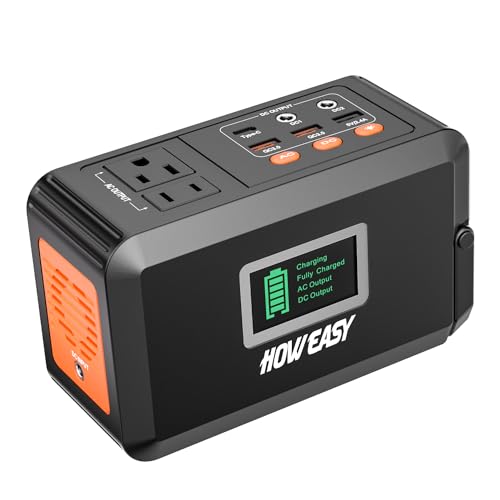
- Efficient Output: This portable power station features 8 output ports, including 2 AC sockets (110V...
- Easy To Carry: This portable solar power bank (6.6 x 4 x 3 inches) is a must-have, weighing just...
(As an Amazon Associate, we earn from qualifying purchases.)
What to Power and What to Skip
When power is limited, every choice matters. A Garage power-out plan starts with deciding what is truly needed.
Common essentials to power:
- Refrigerator or freezer to protect food
- Basic lighting for safe movement
- Phone chargers or small electronics for communication
These items support safety and daily needs. They usually draw less power and can be managed with care.
Items best left off during an outage:
- Large shop tools
- Space heaters or heating devices
- High-draw appliances that are not critical
These items can overload circuits and cords. They also increase fire risk when run in temporary setups.
Think in terms of purpose. Ask yourself if the item protects food, safety, or communication. If the answer is no, it can wait. This simple filter keeps your Garage power-out plan focused and realistic.
In the middle of an outage, written guidance beats memory every time.
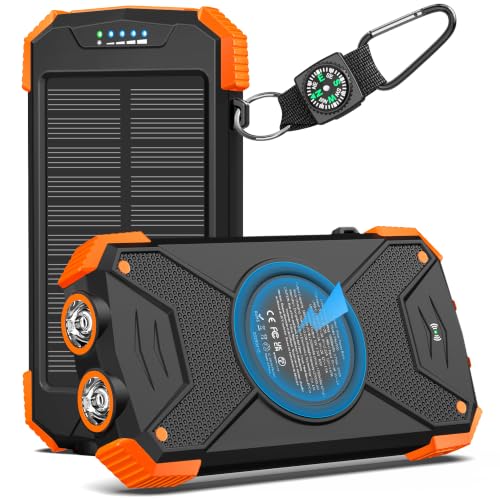
- Brand-Oriented and Outdoor Charger Pro: With over 10 years of experience in solar power banks...
- Leading USB C Input Output Tech and Wireless: The latest upgrade includes a USB-C output with 20W...
Cord Safety and Equipment Tips
Cords and connections are a common weak point during blackouts. A DIY power outage plan should always include cord safety basics.
Start with the cord rating. Use cords designed for outdoor or heavy use when needed. Light-duty cords are not meant for high loads or long runs. Length matters too. Longer cords increase resistance and heat.
General safety tips include:
- Keep cords as short and direct as possible
- Route cords away from walk paths and doors
- Keep cords clear of water, fuel, and sharp edges
Pay attention to how cords feel during use. Warm cords are a warning sign. If something seems off, unplug and reassess.
Three safety rules to remember:
- Do not overload outlets or power strips
- Do not pinch cords in doors or windows
- Do not operate equipment near moisture
These points may sound simple, yet they prevent many common incidents. A Garage power-out plan works best when it reduces decisions during stress.

- Tired of unplugging the wrong cord? We were! Avoid the frustration with Cable Labels
- Quickly and Easily Identify Cords, Cables, Wires and More: These cable identifiers are perfect as...
Transfer-Switch Basics and Pro Safety Checklist
Many homeowners hear about transfer switches during outage planning. The concept can sound technical, but the idea is simple.
A transfer switch controls how power enters your home. It prevents power from flowing back into utility lines when you use an alternate power source. Backfeed is dangerous. It can damage equipment and put utility workers at risk.
A Garage power-out plan should treat transfer switches as a safety boundary. If your setup involves feeding power into home circuits, a transfer switch matters.
Key points to understand:
- Transfer switches separate utility power from alternate power
- They protect both your home and the electrical grid
- Permanent installations require a licensed electrician
This is not a DIY shortcut area. Local rules vary, and official guidance matters. Before relying on any setup, take time to verify requirements.
A simple pro safety checklist includes:
- Consult a licensed electrician for permanent solutions
- Follow manufacturer instructions without shortcuts
- Review guidance from trusted sources like Federal Emergency Management Agency and Consumer Product Safety Commission
These steps keep your Garage power-out plan legal and safe. They also reduce liability and long-term risk.
Preparing Before a Blackout
Preparation makes outages easier to manage. A Garage power-out plan works best when you think ahead.
Start with a basic home blackout checklist:
- Flashlights with fresh batteries
- Charged phones and battery packs
- Extension cords you trust and have checked
- Clear space in the garage for safe access
Store these items in one spot. Label them if needed. When the power goes out, you should not be searching in the dark.
It also helps to practice. Walk through your plan on a calm day. Identify where cords would run and where equipment would sit. Look for trip hazards or tight spaces. Fix issues before they matter.
Talk with your household too. Make sure everyone knows what can be powered and what stays off. Clear expectations reduce confusion and risk.
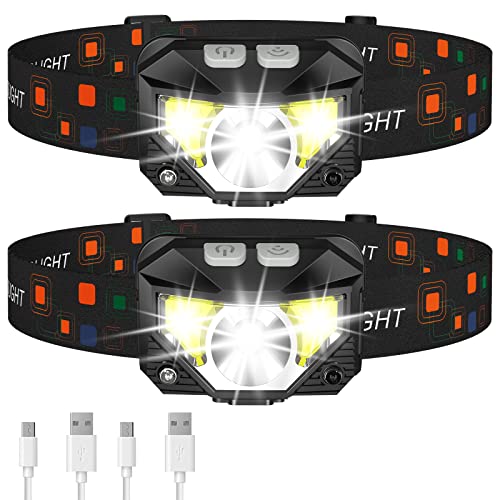
- Long Press Function and Motion Sensor: Unlike the old version, LHKNL headlamp has added a long press...
- Super Bright and Rechargeable: The headlamp flashlight camping essentials uses class-leading LED...
Final Takeaway
A garage power-out plan gives you control during an outage. It helps you protect food, maintain basic safety, and avoid rushed decisions. By planning what to power, respecting cord limits, and understanding safety boundaries, you lower risk and stress.
Blackouts will happen. Preparation is what makes the difference.
If you want a simple reference you can save or print, see the full checklist here: Garage Power-Out Plan PDF checklist
This one-page guide pulls the key points into an easy format you can use during a real outage.
FAQs
Can I run my refrigerator from the garage during a power outage?
Yes, many homeowners run a refrigerator from the garage during a power outage, but it should only be done using a safe setup that avoids overloaded cords and outlets.
Is it safe to use extension cords during a power outage?
Yes, many homeowners run a refrigerator from the garage during a power outage, but it should only be done using a safe setup that avoids overloaded cords and outlets.
What should not be plugged in during a power outage?
High-draw tools, space heaters, and non-essential appliances should not be plugged in during a power outage because they increase the risk of overheating and fire.
Do I need a transfer switch to power my house from the garage?
A transfer switch is needed if power is feeding into home circuits, and it should be installed by a licensed electrician to prevent backfeed and safety hazards.
Why do electrical fires happen during power outages?
Electrical fires during outages often happen due to overloaded equipment, undersized cords, or rushed setups made without a clear safety plan.
How do I prepare my garage before a power outage happens?
Preparing your garage includes identifying essential loads, checking cords in advance, staging lighting, and having a simple garage power-out plan ready.
Disclaimer: This article provides general safety guidance only. Always consult a licensed electrician and follow official guidance and local requirements before any electrical work.