
Quick Answer: Cricut Business Without Social Media Following
- You do not need a social media following to start a Cricut business from home.
- Followers and buyers are different people with different behaviors. Building an audience and building a customer base are not the same task.
- Etsy, repeat customers, referrals, local outreach, and Pinterest all generate buyers without requiring you to post personal content online.
- Selling Cricut products on a consistent schedule is possible in 15 hours a week once pricing, listings, and a basic follow-up system are in place.
- The missing piece for most people who want to know how to start a Cricut business is not motivation or craft ability. It is a repeatable system.
You have a Cricut machine. You have made things people love. You have heard “you should sell these” from people who had no reason to be polite about it. And somewhere between all of that and actually running a Cricut business from home, the same thought keeps surfacing: don’t I need followers first?
The short answer is no. We’ll explain below. This article is for the person who already knows how to use the machine and wants to understand what it actually takes to turn a Cricut side hustle into a consistent source of income.
RELATED: 15 Colorful DIY Cricut Crafts And Ideas
Followers and Customers Are Not the Same Thing

A follower scrolls past your post and taps the heart while a customer types in a credit card number.
Building a following means creating content, posting consistently, chasing an algorithm, and competing against a few hundred thousand other Cricut accounts for attention. It takes months before it produces anything resembling income from selling Cricut products. For most people, it never does.
Meanwhile, building a customer base means finding people who have a specific need, making something they’ll pay for, and giving them a reason to come back. A Cricut business from home is something you can start with tools you already own.
The Instagram account with 18,000 followers and no repeat customers is not a business, but only an audience. The person selling Cricut products to 40 direct clients who reorder every six to eight weeks is running a business. You do not need people to watch you work. You need people who need what you make.
Where Buyers Actually Come From
There are four places customers for a Cricut business from home show up consistently, and none of them require you to post your face online.
The channels above tell you where buyers come from. What they don’t cover is the system that makes those channels actually work like how to price the order before you take it, how to write the Etsy listing that shows up when someone searches, and what to say to a past buyer six weeks later so she comes back without you having to find someone new every month.
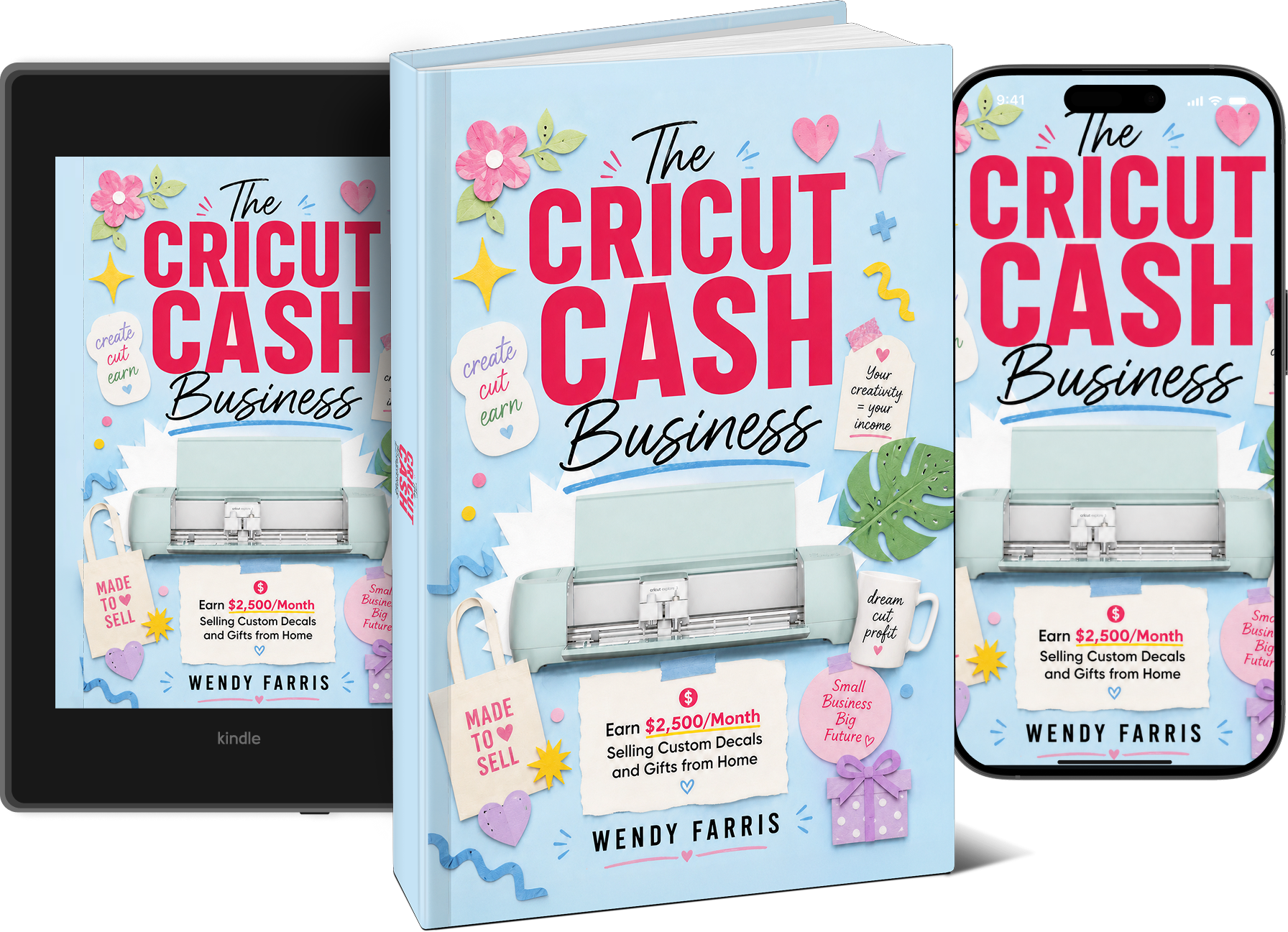
Ready to turn “you should sell these” into income, without quitting your job? If you already know your machine and want to learn the pricing math, Etsy setup, and order workflow that actually builds a customer base, explore the system below.
Turn “you should sell these” into income, without quitting your job
What You Can Do in 15 Hours a Week
The most common reason people do not figure out how to start a Cricut business is the assumption that it requires full-time hours. It doesn’t. What it requires is consistent hours spent on the right things.
Here’s a realistic working week for a one-person Cricut business from home:
- Production takes the most time, roughly 8 to 10 hours depending on order volume. This includes cutting, weeding, pressing, assembling, and packaging. It is the work you already know how to do.
- Order management and Etsy shop maintenance take 2 to 3 hours per week once the shop is set up. This means responding to messages, updating listings, and tracking what is moving and what isn’t.
- Customer follow-up and outreach take 1 to 2 hours. This includes the follow-up sequence to past buyers, a short check-in to any B2B accounts, and handling any custom order inquiries.
- The rest, roughly an hour, goes to restocking supplies and updating a simple spreadsheet that tracks your cost of goods and margins from selling Cricut products.
That’s 15 hours. It does not require a filming setup, a posting schedule, or a ring light.
The Cricut side hustle works when the time goes to production and customer relationships, not to content creation for people who may or may not ever buy anything.
Common Misconceptions About Running a Cricut Side Hustle
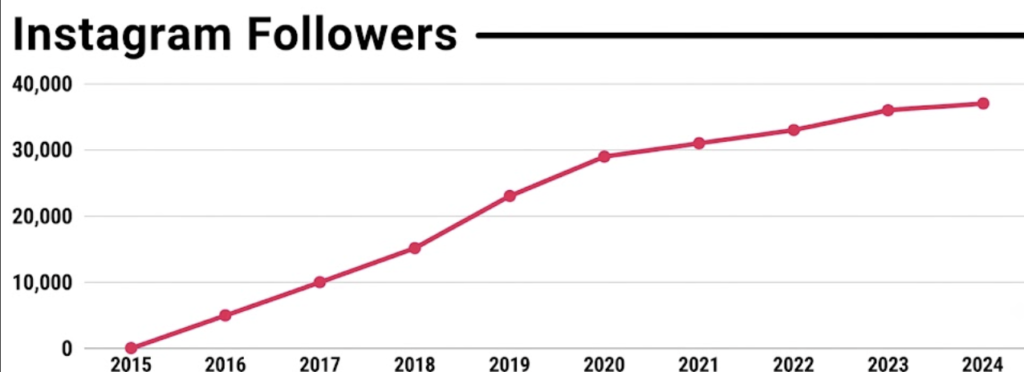
You need a big following before you can start selling. This is the most widespread misconception about how to start a Cricut business, and it keeps more skilled sellers stuck than any other single belief. Selling Cricut products does not require an audience. It requires buyers, and buyers come from Etsy search, direct outreach, and referrals, none of which are gated behind a follower count.
A Cricut business from home can’t compete with cheap overseas sellers. Overseas sellers cannot ship a custom order in 48 hours. You can. Personalization and turnaround time are the two things mass production cannot replicate, and they are both things a one-person Cricut business from home does well.
Craft fairs are the main way to build a customer base. Craft fairs are one channel. Once you account for setup time, teardown, booth fees, and drive time, most sellers find the effective hourly rate drops well below what they would earn filling direct orders from home. They are not a path to predictable income.
You need a second machine before you can scale. You need ten repeat customers before you need a second machine. One of those things makes you money. The other gives you something to do while you’re not making money. Running a lean Cricut side hustle means solving the customer problem before the equipment problem.
Etsy is too saturated for a new seller. Etsy is crowded with poorly executed listings, not with well-executed ones. Selling Cricut products through a listing with a specific title, clean photos, and accurate tags is a different task than competing against listings built without any of those things.
Mistakes That Keep Skilled Sellers Stuck
First Steps You Can Take This Week
You do not need to do all of this at once. Pick one and finish it before moving to the next.
Write down every person who has bought from you or asked about buying. That list is your starting customer base for a Cricut side hustle. It is worth more than a thousand followers who have never asked your price.
Price your three best-selling products correctly. Take the material cost, add your time at a real hourly rate, and add 30 percent for platform fees and incidentals. That is your floor. Selling Cricut products below that number is not a sustainable business decision.
Set up or clean up your Etsy listings. Each title should contain the specific search terms a buyer would use. “Custom Tumbler Wrap,” “Personalized Wedding Decal,” “Monogram Vinyl Sticker” are the words buyers type. Your title needs to match what people are already searching for when they want to buy Cricut products from home sellers.
Write one follow-up message to a past customer. Keep it short: you’re taking orders for the next holiday season, here’s what you’re currently making, let her know if she needs anything. Send it this week. Track the response.
Decide on one B2B category to approach. Real estate offices are the most common starting point for a Cricut business from home because closing gifts are a predictable, recurring need. Write a short introduction, no more than four sentences, that explains what you make, what you charge for a standard set, and how to place an order. That is the entire outreach.
The Craft Business You’re Actually Building
You’re building a repeatable system for selling Cricut products to people who already want to buy them. Netting $2,500 a month from a Cricut business from home, with a customer list you maintain and a handful of B2B accounts on a reorder cycle, is a real outcome. It requires only a small system run consistently.
If you have been waiting to figure out how to start a Cricut business until the timing felt right or the shop felt ready, this is the answer: the machine is already in your house, the skill is already in your hands, and the system is the part you build next.
The channels above tell you where buyers come from. What none of them tell you is the part that actually trips people up: how to price the order before you take it, how to write the listing that shows up when someone searches, and what to say to a past buyer six weeks later so she comes back on her own.
I pulled all of that into one place after watching too many skilled people stall in exactly that gap. The pricing math, the Etsy setup, the order workflow, the follow-up sequence that turned 11 of my first 22 customers into repeat accounts. It’s the system that sits underneath the channels.
If you want to see how the pieces fit together, that’s what’s inside.
Turn “you should sell these” into income, without quitting your job
Frequently Asked Questions
1. Do I need a large Etsy shop before I can make consistent money from a Cricut business from home?
No. Three to five well-optimized listings outperform twenty poorly written ones every time. The first listing takes about an hour to set up correctly, including title, tags, description, and photos. Start with your highest-margin product, get that listing right, and add from there. Volume of listings is not what drives sales when selling Cricut products on Etsy. Search visibility is.
2. Can I actually make real money from a Cricut side hustle without selling at craft fairs?
Yes, and for most sellers the math on craft fairs does not hold up under scrutiny. Once you account for setup time, teardown, booth fees, and drive time, the effective hourly rate drops below what most skilled sellers could earn filling direct orders at home. Etsy, B2B accounts, and a maintained repeat customer list produce more revenue per hour for a one-person Cricut business from home.
3. What Cricut products actually sell consistently on Etsy?
Tumbler wraps, wedding decals, monogram sticker sheets, and personalized gift sets move consistently because buyer intent for those items is high year-round. The specific designs shift with trends, but the product categories themselves are stable. Choose one to start, price it correctly, and build your listing around the exact search terms buyers use when looking for Cricut products from home sellers.
4. How do I find B2B customers for my Cricut side hustle without a marketing budget?
Direct outreach costs nothing but time. Real estate offices are the most accessible starting point because closing gifts are a predictable, recurring expense most agents already budget for. A four-sentence email explaining what you make, what a standard set costs, and how to place an order is the entire pitch.
5. What is the fastest way to get my first paying order when starting a Cricut business?
Write to someone who has already expressed interest. Someone who has said “you should sell these” is not making small talk. She is a warm lead. A short message saying you are now taking orders for your Cricut side hustle, here is what you currently make, and here is the price is enough to convert that conversation into a transaction.
6. Is Etsy too competitive for someone just learning how to start a Cricut business?
The listings that do not break through are the ones with vague titles, no keyword research, and phone photos taken on a cluttered table. A listing with a specific, search-matched title, clean product photos, and an accurate description does not compete in the same tier. The category for selling Cricut products is competitive. The bar for a well-executed listing is lower than it looks.
7. How long before a Cricut side hustle produces reliable monthly income?
With correct pricing, at least one optimized Etsy listing, and an active follow-up system for past buyers, most sellers running a Cricut business from home see consistent monthly income within 60 to 90 days. The sellers who stay stuck past that window are usually missing accurate pricing, Etsy visibility, or any mechanism for bringing past buyers back.