
Pollinators are the driving force behind every thriving backyard garden, and native bees are among the most important helpers. While honeybees often steal the spotlight, it’s the quiet native bees who work the longest hours among the vegetables and blooms, bringing in bigger harvests and brighter flowers.
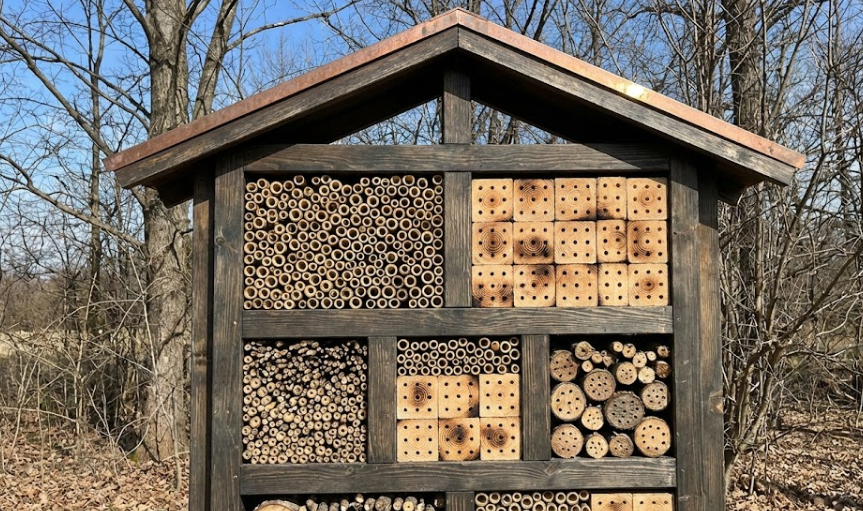
Setting up a bee hotel gives the insects safe places to nest and lay their eggs, right in the heart of your own garden. Even a few hollow stems or bamboo tubes bundled together can invite a whole community of gentle pollinators to move in and get to work.
Why Your Garden Needs a Bee Hotel
Most native bees prefer small tunnels, hollow stems, or cavities for laying their eggs. Modern yards rarely provide these natural nesting spots. A bee hotel fills this gap, supporting stronger pollination throughout the season.
Pollinated plants produce bigger harvests and healthier blooms. The USDA Pollinator Guide explains how native bees directly improve food production in backyard gardens.
How to Build a Bee Hotel
A bee hotel provides native pollinators with safe nesting spaces using simple, affordable materials. Unlike honeybees, most solitary bees seek small, dry tunnels rather than hives. This project requires minimal tools, basic materials, and one weekend to complete.
1. Select a Frame
The frame creates the outer shell that supports and protects the nesting materials.
- Use an old drawer, deep wooden box, or thick picture frame as the base structure. These materials provide strong sides that hold the tubes securely in place.
- Choose a frame at least 4 to 6 inches deep. A deeper frame helps shield the nesting tunnels from wind and rain while allowing enough space for multiple bee species.
- Skip treated wood or painted surfaces inside the frame. Pressure-treated wood may release chemicals harmful to developing bees. Natural, untreated wood provides a safe nesting space.
2. Gather Nesting Materials
Solitary bees search for clean, smooth tunnels to build nests and lay eggs.
- Collect hollow stems from bamboo, reeds, or elderberry branches. Natural plant stems mimic the small tunnels bees prefer in wild habitats.
- Cut stems into 4- to 6-inch sections. This length provides enough space for bees to build multi-cell nests while keeping them protected from predators.
- Use paper straws or cardboard tubes as alternatives if natural stems are unavailable. Avoid plastic tubes, which trap moisture.
- Smooth all openings with sandpaper to prevent sharp edges that could damage bee wings while entering or exiting.
3. Pack and Secure the Tubes
Well-packed nesting tubes prevent shifting and allow bees to nest safely.
- Arrange tubes vertically inside the frame. Vertical orientation helps reduce moisture buildup inside the tubes.
- Pack snugly without crushing the materials. A tight fit keeps the tubes stable while still allowing airflow between them.
- Add wooden blocks with drilled holes in different sizes. These solid blocks increase nesting options for a variety of native species.
- Tilt openings slightly downward. This small angle helps rainwater drain away from the tunnels, reducing the risk of mold and larvae loss.
4. Add a Protective Roof
A roof shields the bee hotel from moisture and direct sun exposure.
- Extend the top 2 inches beyond the frame’s edges to create an overhang. The extended roof helps block rainfall from reaching the nesting holes directly.
- Use plywood, metal flashing, or thick plastic sheets as roofing material. These materials withstand the weather and provide consistent protection.
- Secure the roof firmly to prevent movement during wind or storms.
5. Mount in a Safe Location
Proper placement increases occupancy and protects both the bees and their nests.
- Mount the bee hotel 3 to 5 feet off the ground. This height protects nests from ground-level predators and flooding.
- Face the entrance toward the morning sun. Early sunlight warms the hotel, helping bees stay active and healthy throughout the day.
- Attach the frame to a sturdy fence, post, or building wall. Solid backing keeps the hotel steady and prevents swaying.
- Choose a calm area away from heavy foot traffic or constant disturbances. Low-traffic zones allow bees to enter and exit freely without stress.
Best Bee Species for Backyard Bee Hotels
Several native bee species thrive in homemade hotels and support garden pollination.
- Mason Bees: Early-season pollinators that favor fruit trees and berry shrubs.
- Leafcutter Bees: Active in summer gardens, using leaves to line their nests.
- Small Carpenter Bees: Some species prefer larger drilled holes in wood.
The EPA’s Pollinator Protection resource shares more about helping native bees thrive.
Common Mistakes to Avoid When Building a Bee Hotel
Simple errors can reduce the success of your bee hotel.
- Using plastic or treated wood: These trap moisture and harm developing bees.
- Oversized or rough openings: Rough edges damage wings; smooth surfaces are safer.
- Poor ventilation: A sealed design causes mold. Use breathable frames and allow airflow.
- Skipping cleaning: Dirty tubes invite pests. Replace nesting materials every fall.
Bee Hotels Help Pollinators and Improve Garden Health
A bee hotel offers solitary pollinators a safe place to nest while strengthening your garden. Healthy pollination means bigger harvests, more flowers, and a thriving outdoor space. One simple weekend project can turn your backyard into a pollinator haven.
Build a bee hotel this weekend and invite native bees to your garden. If you have more pollinator-friendly ideas, share them in the comments so others can benefit!
FAQs
Do bee hotels attract honeybees?
No. Bee hotels support solitary native bees like mason and leafcutter bees. Honeybees prefer large hives.
What size should the nesting holes be?
Choose tunnels between 3/32 inch and 3/8 inch wide. Different sizes attract different species.
How often should I clean the bee hotel?
Clean once a year in late fall. Replace worn tubes to keep nests healthy.
Where can I find more pollinator support information?
Check the USDA Pollinator Guide, EPA Pollinator Protection, The Spruce, and Family Handyman.
Are bee hotels safe for kids and pets?
Yes. Solitary bees rarely sting unless handled. Mount hotels out of reach to stay safe.