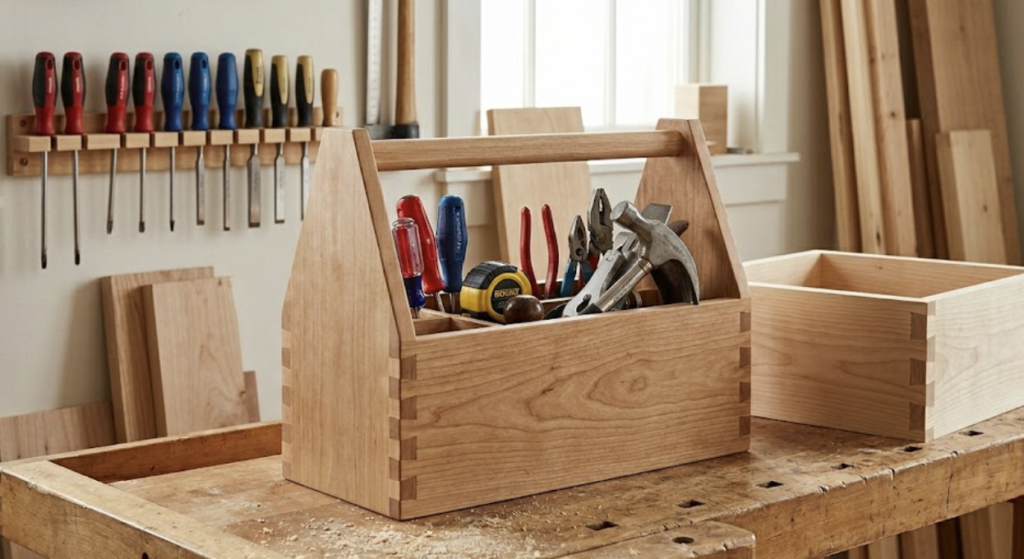

Woodworking hand tools come in different shapes, sizes, and functions. With this list, you can check out different essential hand tools that you can buy from Amazon.
At a Glance: The Beginner Woodworking Hand Tools 2026
- You don’t need a full workshop. The first 5 woodworking hand tools for beginners cover everything needed for a simple wall shelf or hook rack.
- This list is grouped by job, and each tool has a clear purpose: measure, mark, cut, hold, assemble, or smooth.
- Buy tools 1 to 5 first. Add tools 6 to 9 only when your second or third project asks for cleaner edges and stronger glue-ups.
Why Most Beginner Tool Lists Get It Wrong
Woodworking will feel overwhelming if you start with a giant tool list. You only need tools that can help you measure accurately, mark a straight line, cut a board, hold pieces still, and put the project together. That’s it.
This list is organized by job, not by hype. Start with tools 1 through 5 if you want to build a simple wall shelf or wall hook rack. Add tools 6 through 9 when you want cleaner edges, better glue-ups, and projects that feel less “first try.” Every pick below is available on Amazon. Remember, the goal isn’t to buy everything at once. The goal is to know what each tool actually does before adding it in your cart.
Woodworking Hand Tools for Beginners: The First 5 You’ll Need
If you’re nervous about starting, start here. These five tools are enough for building a basic pine shelf, wall hook rack, or small home repair. They cover the beginner basics: measuring, marking, cutting, holding, and simple assembly.
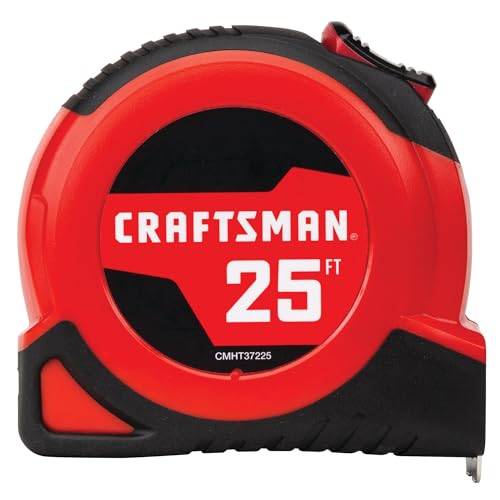
1. Measuring Tape: CRAFTSMAN 25-Foot Tape Measure
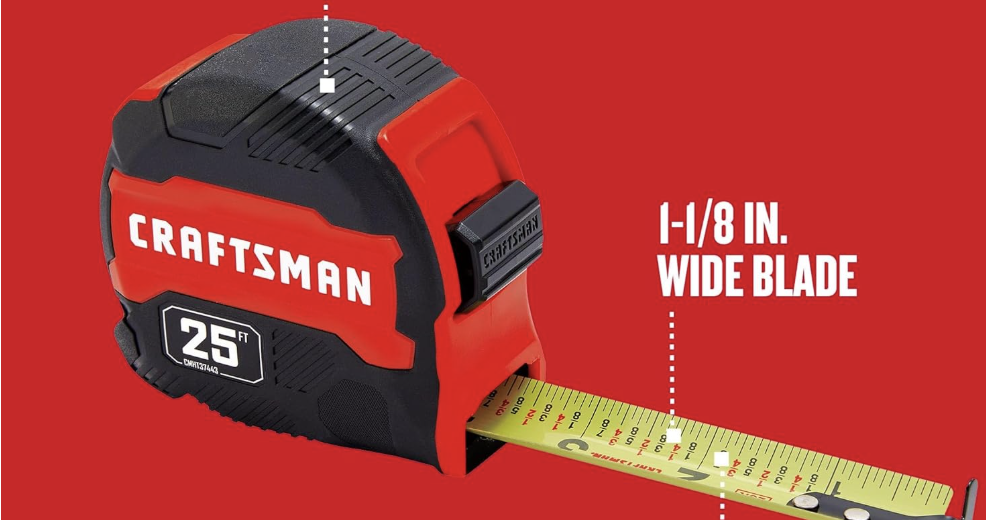
Best for: Measuring boards, shelf spaces, and repeat cuts.
Beginner problem it solves: A lot of first projects fail before the first cut. One board ends up too short. Two matching pieces don’t match; the shelf doesn’t fit the wall space you measured in your head.
Why this tool matters: A tape measure gives you the basic numbers for every project: length, spacing, depth, and repeat parts. Without it, you’re guessing. The CRAFTSMAN 25-foot tape is a practical home-project size. It’s long enough for shelves, benches, and garage builds without being bulky on small jobs.
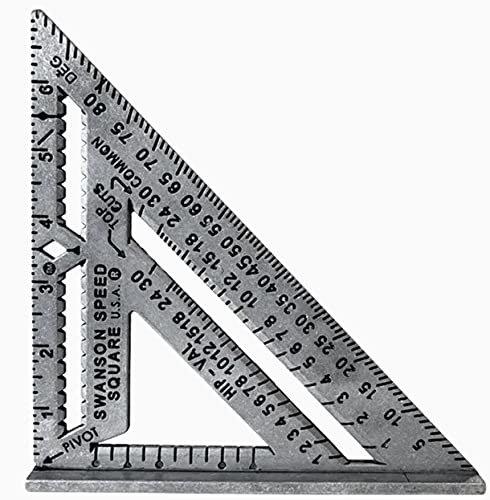
2. Layout Square: Swanson 7-Inch Speed Square
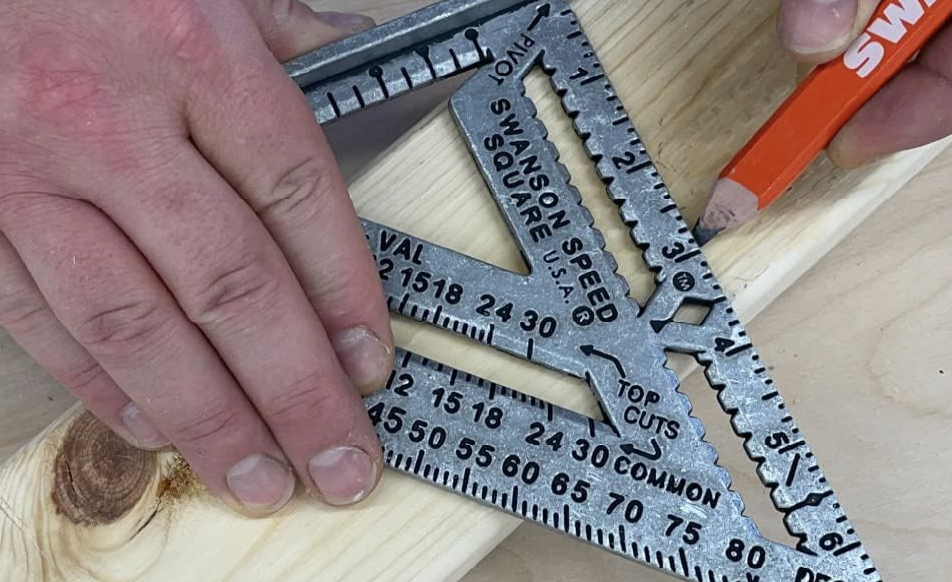
Best for: Marking straight 90-degree and 45-degree cut lines.
Beginner problem it solves: Crooked cuts almost always start with crooked layout lines. If your line is off, even a sharp saw will follow the wrong path.
Why this tool matters: A speed square helps you draw straight cut lines, check corners, and mark quick angles without guessing or eyeballing it. The Swanson 7-inch Speed Square is compact, inexpensive, and easy to use on common beginner boards like 1x4s, 1x6s, and 2x4s. It’s the home-shop standard for a reason.
3. Hand Saw: SUIZAN Ryoba Double Edge Japanese Pull Saw
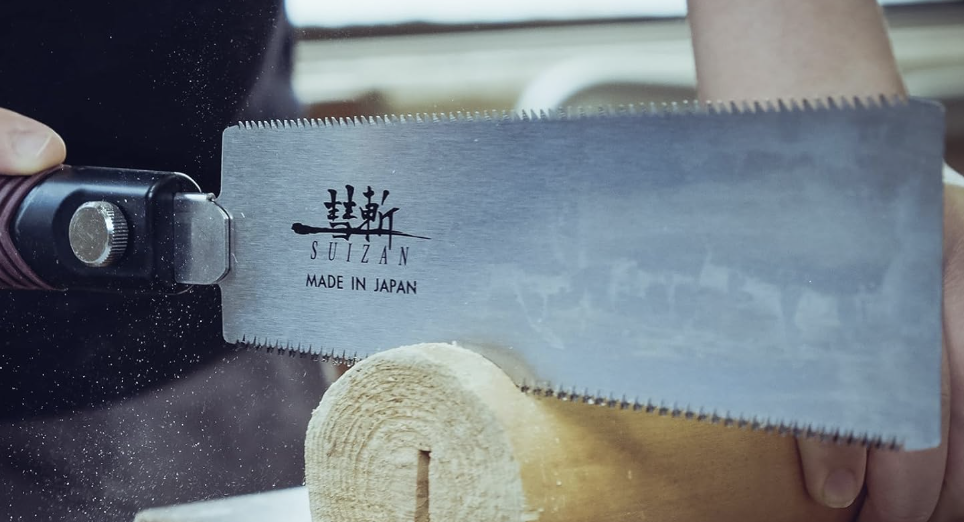
Best for: Cutting boards without a power saw.
Beginner problem it solves: A lot of new woodworkers think they need a circular saw or a table saw before they can build anything. For small projects, that’s just not true.
Why this tool matters: A ryoba saw gives you two cutting edges on one tool: one for ripping with the grain, and one for crosscutting across the grain. That covers almost every cut a beginner needs to make. The SUIZAN Ryoba cuts on the pull stroke, which most beginners find easier to control than a traditional push saw. It’s a strong first saw for shelves, crates, and small shop projects.
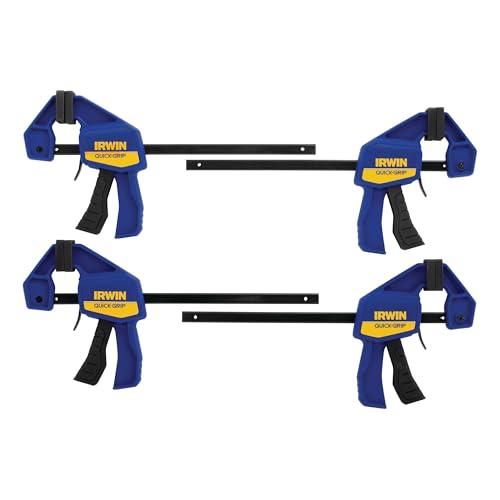
4. Mini Clamps: IRWIN QUICK-GRIP Mini Bar Clamps, 6-Inch, 4-Pack
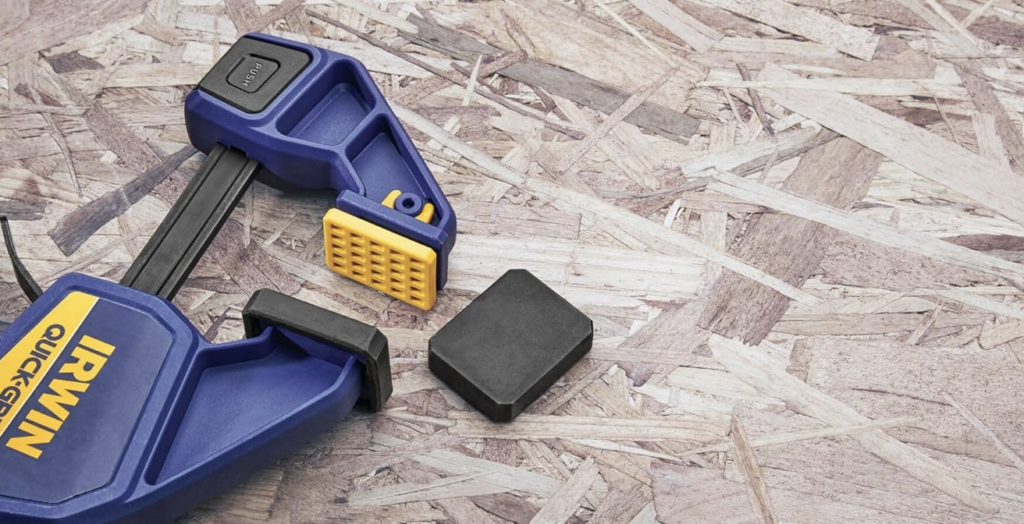
Best for: Holding wood while gluing, marking, or cutting.
Beginner problem it solves: Wood shifts. Glue makes parts slide around. Holding a board with one hand while working with the other is frustrating and less safe.
Why this tool matters: Clamps act like extra hands. They keep parts steady so your cuts, glue-ups, and layout marks stay where you intended. The IRWIN mini clamp 4-pack is beginner-friendly because the clamps are light, quick to adjust, and useful on small projects. Four clamps is the right starting count.
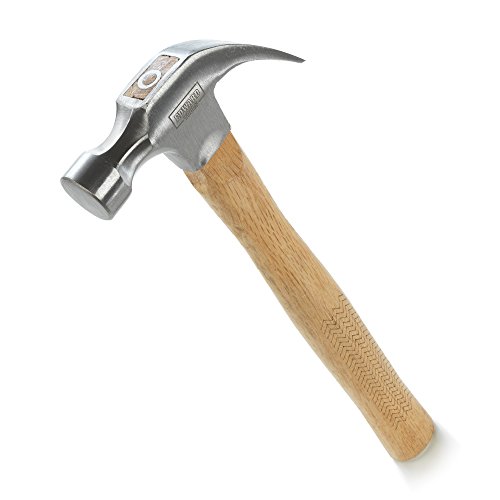
5. Hammer:Edward Tools 16 oz. Claw Hammer
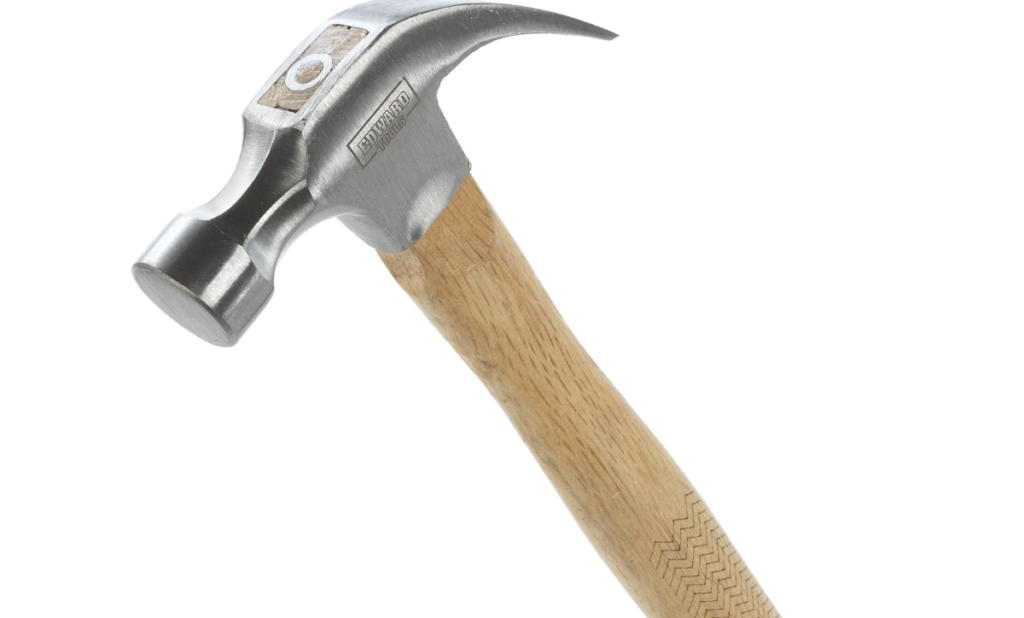
Best for: Driving nails, pulling nails, and light assembly.
Beginner problem it solves: Not every project needs screws or power tools. Sometimes you need to tap a part into place, drive a small nail, or pull a mistake back out.
Why this tool matters: A claw hammer handles basic assembly, small brads, light teardown, and simple home repairs. It earns its spot on the bench. The Edward Tools 16 oz. claw hammer is a simple all-around size. It has enough weight for small projects without feeling too heavy in your hand.
You Can Start With This Beginner Woodworking Kit
With just these five tools, you can build a simple pine shelf or wall hook rack. You can measure the board. Mark a straight cut. Saw it to length. Clamp pieces while glue dries. Handle basic assembly with nails or hardware.

That’s enough to stop researching and start building. The next four tools aren’t required for day one. They’re for making your second and third projects cleaner, stronger, and easier to finish.
The Next 4 Beginner Woodworking Tools (Add These When You’re Ready)
Tools 6 through 9 are confidence upgrades, not mandatory purchases. You’ll know it’s time to add them when your first project leaves you wishing for cleaner edges, stronger joints, or better-fitting parts. That’s the right moment, not before.
6. Screwdriver Set: Wiha SoftFinish 10-Piece Screwdriver Set
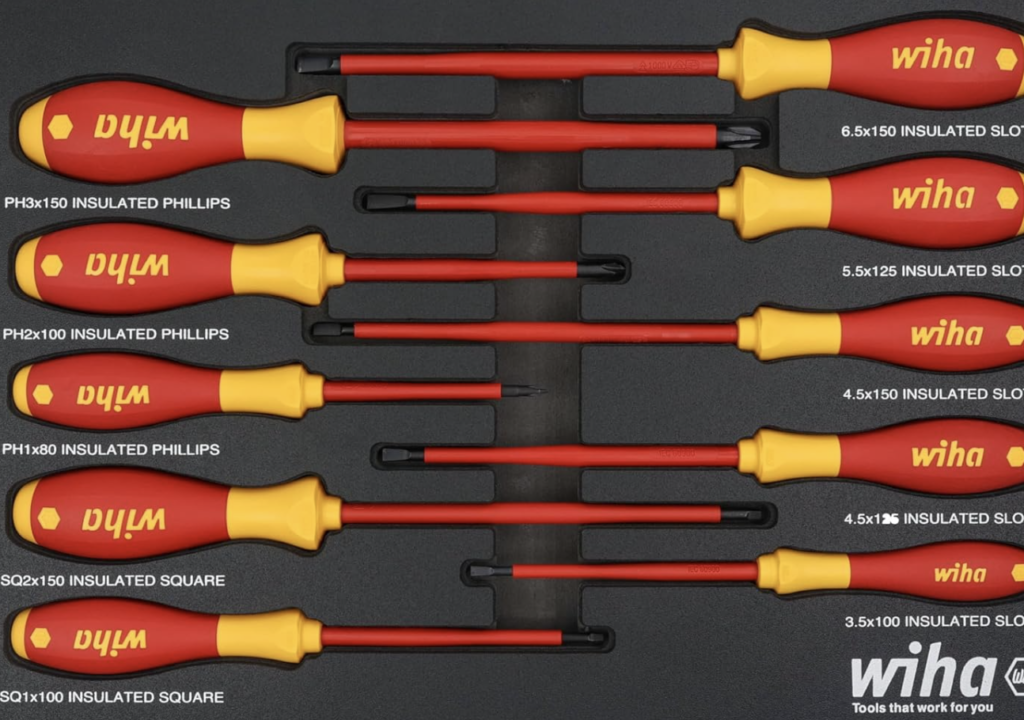
Best for: Hooks, hinges, brackets, pulls, and hand assembly.
Beginner problem it solves: A drill can strip screws or damage small hardware if you’re not careful. Hand-driving gives you more control on the small stuff.
Why this tool matters: A screwdriver set helps install hinges, hooks, drawer pulls, brackets, and other hardware without overdriving screws or splitting the wood. The Wiha SoftFinish set is the quality pick. It costs more than bargain sets, but the handles are comfortable, the tips hold up better, and you’ll use it for years. Your projects include hooks, hinges, brackets, pulls, or small hardware.
7. Chisel Set: REXBETI 10-Piece Premium Wood Chisel Set
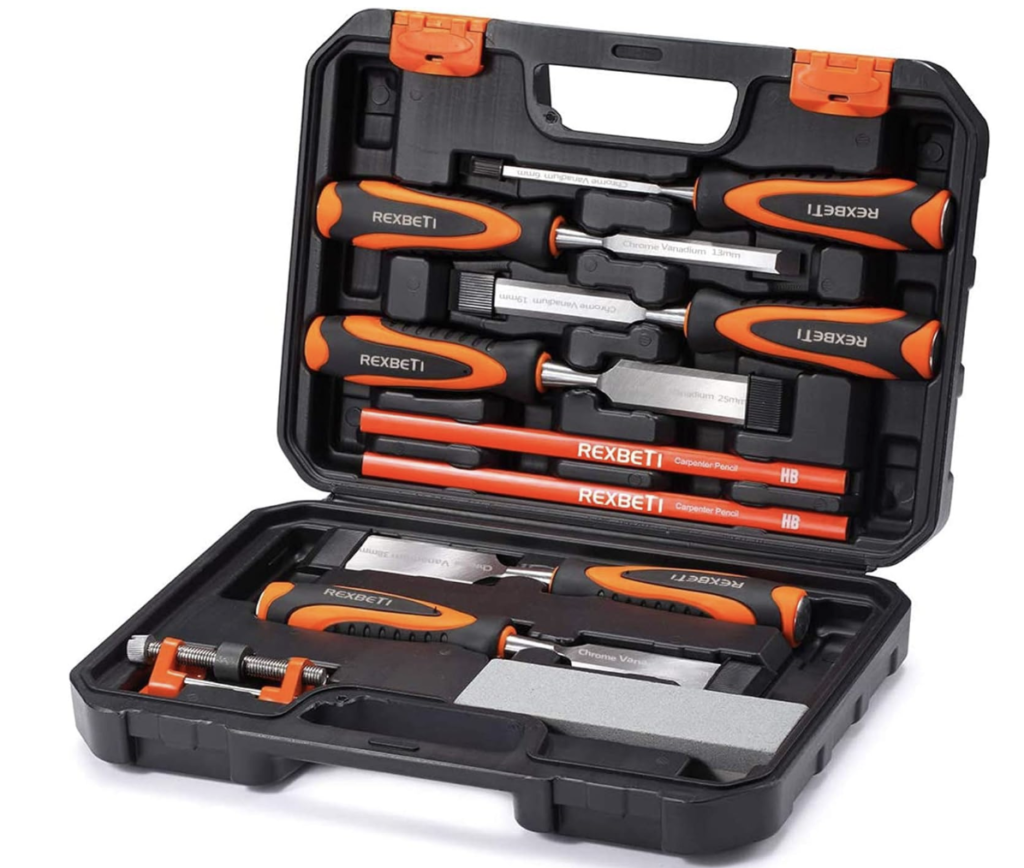
Best for: Trimming, notching, cleanup, and beginner shaping.
Beginner problem it solves: Beginner cuts are rarely perfect. Chisels help clean up rough spots instead of forcing you to sand everything into shape.
Why this tool matters: A chisel can square a corner, trim a proud edge, make a shallow notch, or scrape off dried glue. It’s the cleanup tool you didn’t know you needed. The REXBETI set is a practical starter because it gives beginners multiple chisel sizes plus basic sharpening accessories without a premium price tag.
Buy this next if: You want one affordable chisel kit for basic cleanup and learning.
8. Block Plane: WORKPRO W052002 Block Plane
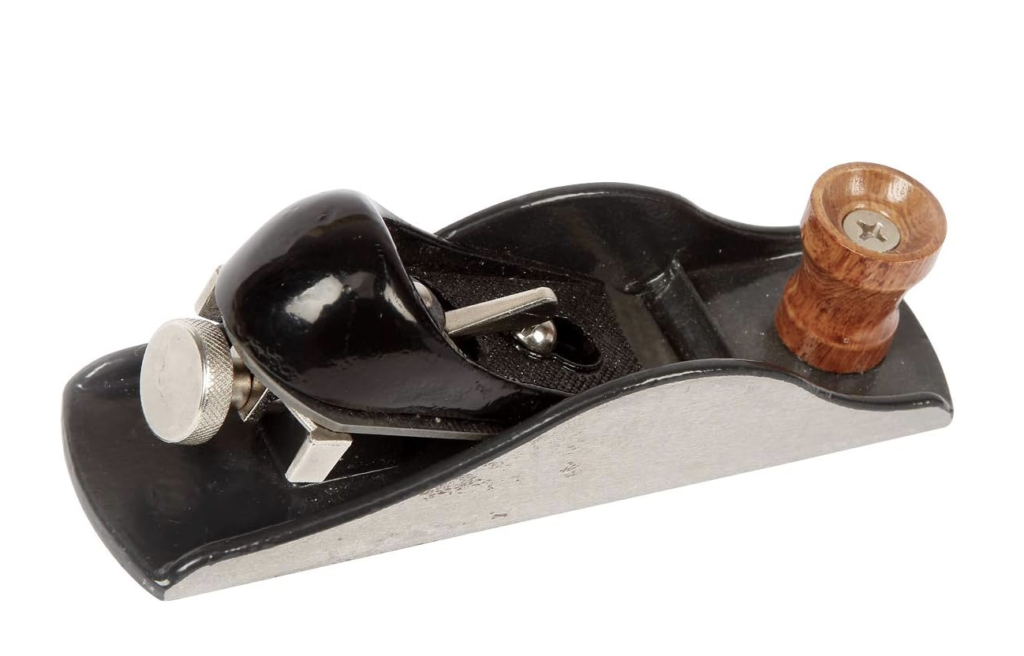
Best for: Smoothing edges and fitting small parts.
Beginner problem it solves: Saw cuts can leave rough edges. Boards can be slightly too tight in their slot. Sandpaper helps, but it’s slow when you need to remove a controlled shaving of wood.
Why this tool matters: A block plane softens sharp corners, cleans saw marks, and helps small parts fit together without forcing them. The WORKPRO block plane is affordable and approachable for first-time users. It’s a practical entry point before spending more on premium planes.
Buy this next if: You want your shelf, crate, or tool tote to look less rough.
9. Larger Clamps: Bessey Clutch Style Bar Clamps, 12-Inch
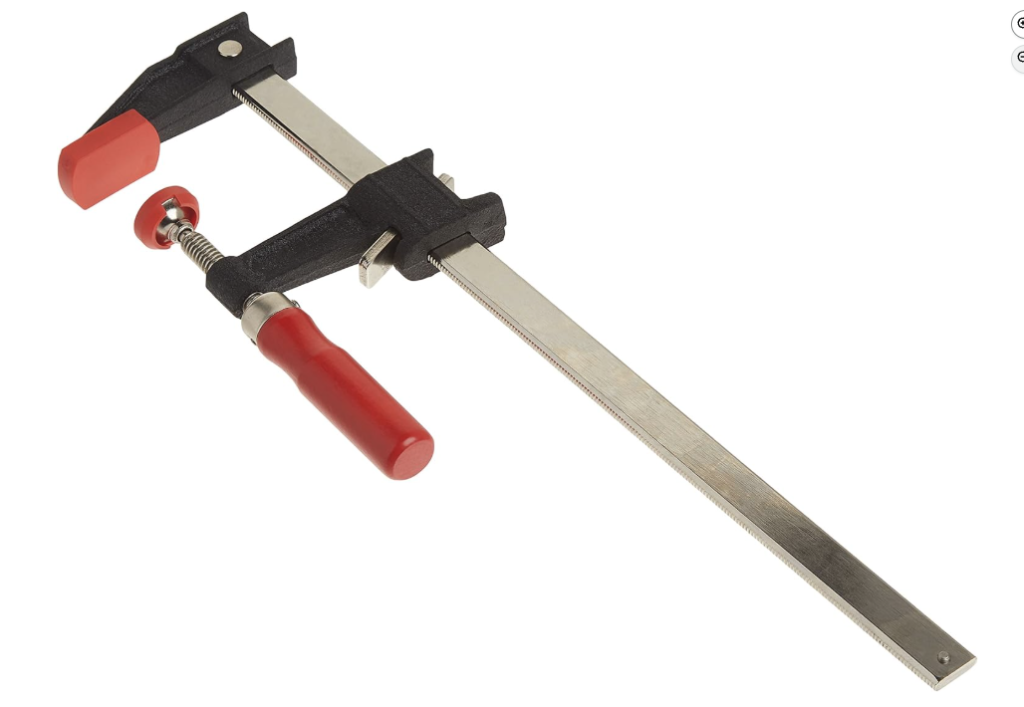
Best for: Stronger glue-ups and small furniture projects.
Beginner problem it solves: Mini clamps are useful, but they’re too small for crates, stools, trays, and wider glue-ups.
Why this tool matters: A pair of 12-inch bar clamps gives you more reach and more even pressure when parts need to stay together while glue cures. Bessey clutch-style clamps are a reliable upgrade for beginners who want to build projects with stronger holding power. They’re our beginner-friendly pick for the first “real” clamp purchase.
Buy this next if: You want to build boxes, crates, stools, trays, or small panels.
For beginner woodworking ideas, browse ourbeginner woodworking projects library.
Final Word
Woodworking gets easier once the tool list gets smaller.
You don’t need every tool today. You need a clear first project, a few tools that do obvious jobs, and enough confidence to make the first cut. Start with five. Build something simple. Then add the rest only when the next project asks for them.
The Weekend Warrior path isn’t about gear. It’s about getting one finished thing onto your wall and saying, “I made that.”
Found This Helpful? Pass It On.
We’re sharing more beginner-friendly tool guides, project plans, and shop tips on Facebook, Pinterest, and Instagram!. Tag us when your first shelf goes up. We love seeing the “first project” photos, sawdust and all.
Want to know how to choose tools as a first-timer? Check out this video by This Old House:
Choosing woodworking hand tools can be quite taxing, especially with how many types there are. However, you can never go wrong with having a few of the basics!
Frequently Asked Questions
1. What woodworking hand tools for beginners should I buy first?
Start with five basics: a 25-foot tape measure, a 7-inch speed square, a Japanese pull saw, a 4-pack of 6-inch mini clamps, and a 16 oz. claw hammer. That kit covers measuring, marking, cutting, holding, and assembly. It’s enough for a simple pine shelf or wall hook rack with nothing left missing.
2. Can I really start woodworking with just hand tools?
Yes. Most small beginner projects, like shelves, boxes, hook racks, and crates, can be built with hand tools alone. Power tools speed things up, but they’re not required to complete a real project. Plenty of woodworkers start fully on hand tools and add power tools only when a specific project asks for one.
3. Are Japanese pull saws good beginner woodworking tools?
Yes. Pull saws cut on the pull stroke, which gives most beginners better control than a traditional push saw. The blade stays straighter, and the cut is cleaner with less effort. A ryoba (double-edge) pull saw also handles both rip cuts and crosscuts, so one saw covers most beginner needs.
4. How much should I spend on my first beginner woodworking tools?
A practical starter kit of the first 5 tools usually lands in a moderate range, not a premium one. Don’t overspend on tools 1 through 5. Save the bigger budget for tools 6 through 9, where quality starts to matter more, especially on chisels and clamps. Check the current Amazon listings for live pricing.
5. Do I need a workbench before buying woodworking hand tools for beginners 2026?
No. A sturdy table, a flat garage floor, or a pair of sawhorses will get you through your first few projects. A real workbench is an upgrade you make later, after you know how often you’ll be building. Mini clamps make almost any flat surface usable for a beginner project.
Quick Poll
What’s the biggest reason you haven’t started woodworking yet?
Drop your pick in the comments and tell us why. We read every reply.