
Want to sell woodworking projects for profit in 2026? This guide covers small, functional home goods such as cutting boards, floating shelves, plant stands, charcuterie boards, and coat racks that sell for $35-120 at craft fairs and on Etsy, with profit margins of $18-35 per hour of shop time.
The 2026 economic climate hasn’t been kind to hobbyists. Inflation’s still biting. Wages haven’t kept pace. And the side hustle economy has matured past “follow your passion” into “can I recoup my tool investment and make this a real thing?” That’s a solvable problem, but only if you choose projects that move at craft fairs and on Etsy, not the ones that look impressive in your shop.
RELATED: DIY Crafts to Sell: Home Decor Projects Built for Profit 2026
Which Woodworking Projects Sell the Best on Etsy in 2026?
The woodworking projects that sell best on Etsy in 2026 are functional home goods with visible handmade character. Buyers want the “collected over time” aesthetic: intentional but not mass-produced.
Top sellers: end-grain cutting boards ($45-120), floating shelves ($30-80), small planters ($25-60), coat racks ($35-75), charcuterie boards ($40-90).
Save yourself an hour of graph paper and guesswork. Our free Cut List Optimizer maps out every piece on your plywood in seconds. Print it, tape it to the wall, start cutting.
The 5 Best Woodworking Projects for Profit
This ranked guide covers 5 projects validated by actual sales data and craft fair vendor reports.
1. End-Grain Cutting Boards
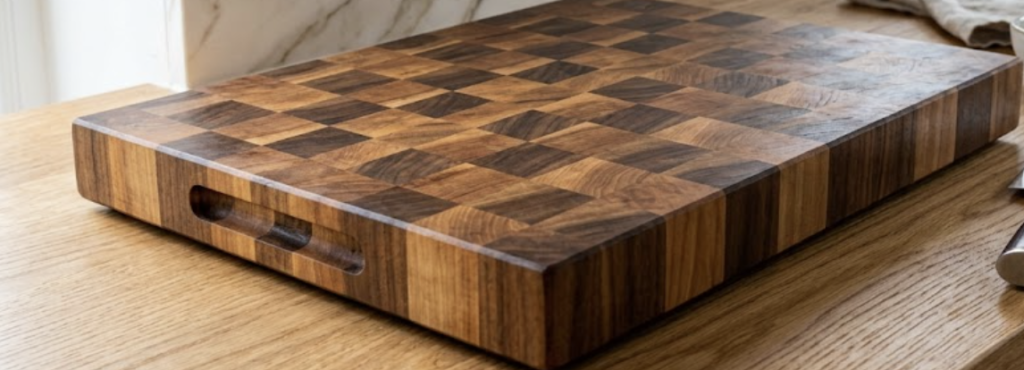
Build time: 3-4 hours Sell price: $60-120 Materials: Minimum $12 (maple), Mid $20 (walnut mix), Quality $35 (exotic)
The craft fair workhorse. Batch 4-6 boards per weekend. Sand through 220-grit, finish with food-safe mineral oil and beeswax.
How to build it: Rip hardwood into strips, rotate them 90 degrees so the end grain faces up, glue into a panel, clamp overnight, flatten with a drum sander or router sled, and finish with mineral oil. One afternoon of active work, one overnight clamp session.
I spent way too long hand-sanding my first few boards before I realized it was eating my whole weekend. Less time sanding means more boards finished, and more boards finished means more profit. I just chuck this sanding drum set into my drill and it gets the job done without a dedicated machine. Way cheaper than buying a full drum sander and it works just as well for batching boards.

- Transform your drill or drill press into a mini spindle sander quickly with this extra-long sanding...
- Perfect for smoothing rough edges, contours, and curves in your woodworking projects, this sanding...
2. Floating Shelves
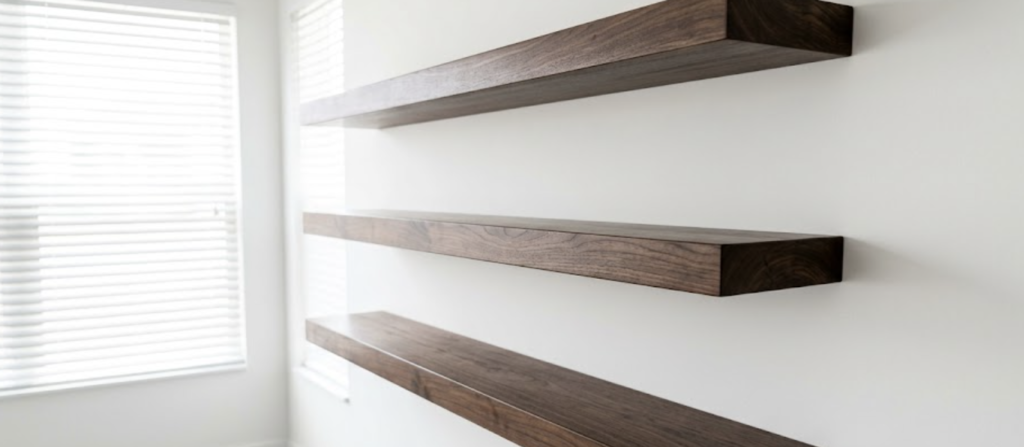
Build time: 2-3 hours Sell price: $50-80 Materials: Minimum $8 (pine), Mid $15 (poplar), Quality $25 (walnut)
Hollow-box construction with hidden bracket mount. Repeat customers often order sets of 2-3.
How to build it: Cut your shelf board to length, rout a clean edge profile, build a hollow box with a French cleat slot in the back, and finish before mounting. Mark studs before you drill anything into the wall.
3. Small Plant Stands
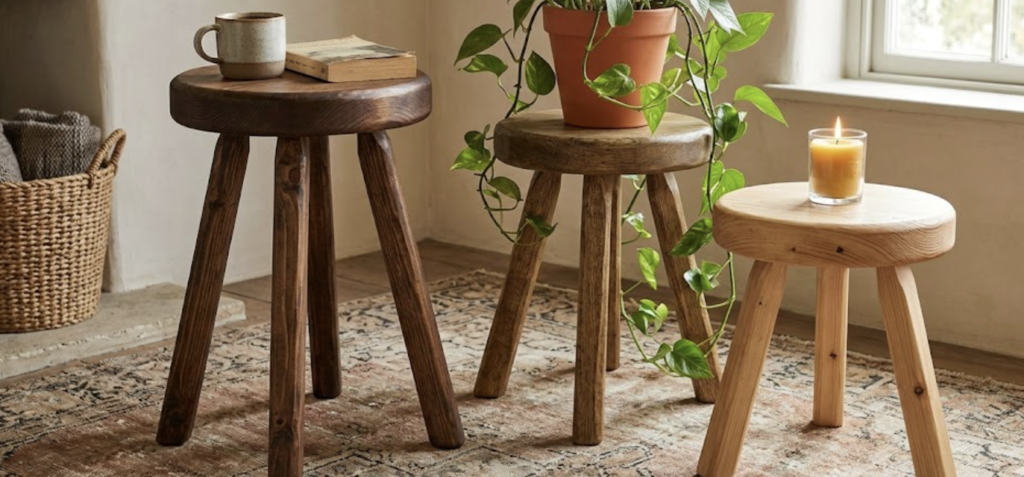
Build time: 2-3 hours Sell price: $45-75 Materials: Minimum $10 (pine), Mid $18 (hardwood), Quality $28 (walnut)
Indoor plant trend is still strong. Mid-century modern tapered legs consistently popular. Pocket-hole joinery works fine.
How to build it: Cut four tapered legs and two stretcher rails, assemble with pocket screws, sand smooth, and finish to match current interior styles. Build in batches of four: same setup, four sellable units.
4. Charcuterie Boards
Build time: 2 hours Sell price: $40-70 Materials: Minimum $8 (maple), Mid $15 (walnut), Quality $22 (live-edge)
Faster than end-grain boards. Add routed juice groove. Personalization adds $15-20 to sell price.
How to build it: Cut and shape your board, rout a juice groove around the perimeter, sand through 220 grit, and finish with food-safe oil. Engrave or burn initials before oiling if offering personalization.
This is the exact finish I use on every cutting board and charcuterie board I sell. Buyers always ask what I used because it makes the grain pop. It’s one of the reasons why they keep coming back.

- Revitalizing blend prevents drying and cracking of hardwoods and bamboo
- Natural waxes provide another level of protection

5. Coat Racks
Build time: 1.5-2 hours Sell price: $35-60 Materials: Minimum $6 (pine + hooks), Mid $12 (hardwood), Quality $18 (reclaimed)
Simple 24-inch board with 4-5 hooks on French cleat. Rustic farmhouse or modern minimalist: avoid in-between.
How to build it: Rip your board to width, mark hook spacing evenly, drill pilot holes, mount hooks, attach a French cleat to the back, and pre-finish before hanging hardware. Sand through 220 grit minimum: buyers run their hands over everything.
Farmhouse aesthetic is everywhere right now and craft fair buyers are actively shopping for it. The hooks are what make or break a coat rack though. I put these on every rustic rack I build and they pretty much sell themselves.
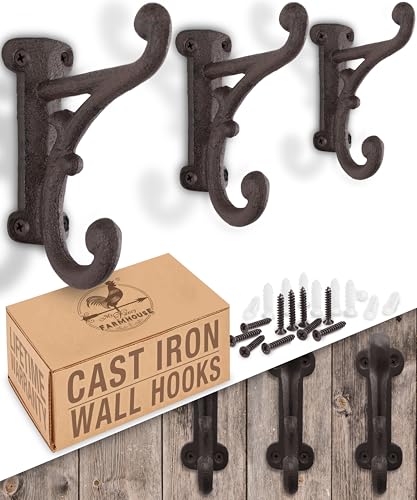
- Quality: Our Heavy-Duty Cast Iron Coat Hooks stand out from other options found on Amazon. Designed...
- Durable Powder-Coated Finish: Built to last with a protective powder coating that resists rust and...
How Much Can You Make Selling Woodworking Projects at Craft Fairs?
Woodworkers with a well-stocked booth earn $200-600 per craft fair weekend in their first year. Expect to invest $150-300 in booth fees, display materials, and inventory before your first event.
The math that works: bring 15-20 small items (cutting boards, shelves, planters) priced $40-80 each. Sell 8-12 pieces per weekend. That’s $320-960 in gross sales. Subtract materials ($120-180) and booth fees ($50-100) and you’re netting $150-680 per weekend.
Scale path: Month 1-2, test one project type at 2-3 local fairs. Month 3-4, batch-produce your best seller. Month 5-6, add Etsy shop to capture online buyers. By month 12, successful side hustlers report $800-1,500/month profit on 15-20 hours of weekend shop time.
What Is the Best Wood for Profitable Woodworking Projects?
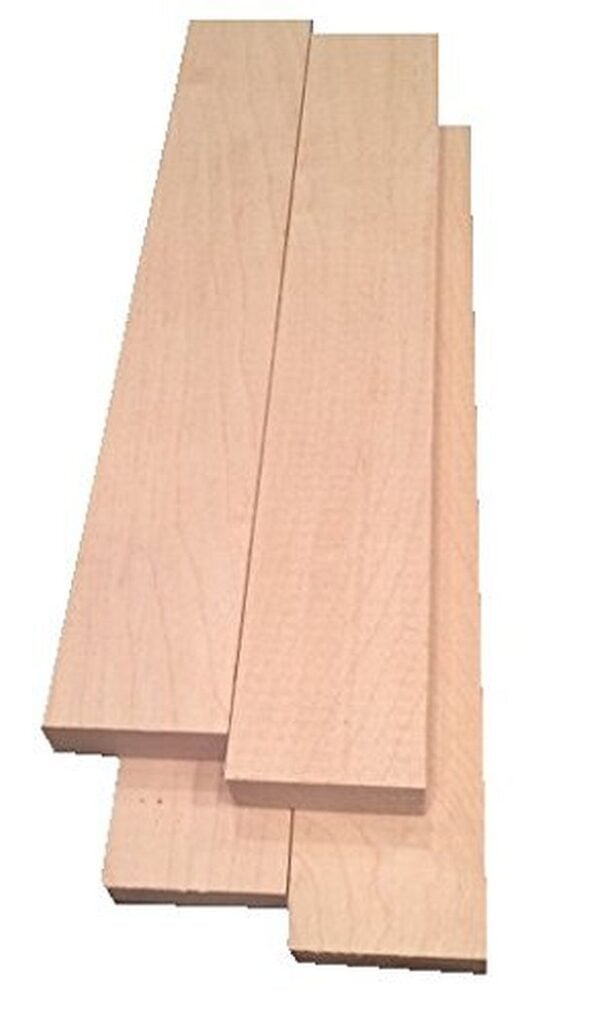
The best woods for profitable woodworking projects are maple, walnut, pine, and cherry. Each serves a different price tier and project type.
Maple: Best value for cutting boards and light-colored projects. $4-6/board foot. Widely available, accepts finish well, food-safe.
Walnut: Premium option that justifies higher prices. $8-12/board foot. Dark color contrasts beautifully with maple in mixed boards.
Pine: Budget builds only (shelves, planters, coat racks). $2-3/board foot. Soft wood, not suitable for cutting boards or high-wear items.
Cherry: Mid-tier option with color that deepens over time. $6-9/board foot. Great for charcuterie boards and serving trays.
Avoid exotic hardwoods for your first 20 projects. The cost eats your margin, and beginners waste expensive wood learning technique.
Do I Need a Business License For Selling Woodworking Projects?
Yes, most sellers need a business license once they cross $500-1,000 in annual sales, even for hobby income. Requirements vary by city and state.
What you need to check:
- Local business license: Check your city or county clerk’s office. Cost: $25-150/year.
- Sales tax permit: Required in most states if selling at craft fairs or online. Free to register in most states.
- Home occupation permit: Some cities require this if you’re running a shop out of your garage. Cost: $50-200/year.
- Liability insurance: Not legally required, but craft fair organizers often require $1M coverage. Cost: $200-400/year for small makers.
Tax reality: The IRS considers side hustle income taxable from dollar one. Track materials, tools, and shop expenses: they’re deductible against your woodworking income.
Most Common Mistakes When Making Woodworking Projects for Profit
The most common mistakes in woodworking for profit are poor finish sanding, overcomplicating material choices, and building inventory before testing the market.
- Skipping finish sanding. Buyers run their hands over everything before buying. Sand through 220-grit minimum. 150-grit feels rough, 180-grit feels acceptable, 220-grit feels finished.
- Using too many wood species in one project. Three species maximum for cutting boards. More looks chaotic, not intentional.
- Building inventory before testing the market. Make 3-5 pieces of one project, sell them at one craft fair, then batch-produce your winner. Don’t build 30 units of something untested.
Want more DIY? Follow DIY Projects on YouTube, Instagram, Pinterest, and Facebook.
FAQs
Which wood species are recommended to maximize margins?
The guide suggests using maple for value, walnut for premium pricing, and cherry for mid-tier items while advising beginners to avoid expensive exotic woods that eat into profits
Which woodworking project offers the highest return on shop time?
End-grain cutting boards are the most lucrative, earning between $25 and $35 per hour with a retail price of up to $120.
Do I need a professional license to sell these projects?
Most woodworkers need a local business license once they exceed $500 to $1,000 in annual sales, and a sales tax permit is generally required for online or craft fair sales.
QUICK POLL
Woodworking projects: real skill or just denial that IKEA exists?
’d love to hear more from you in the comments. Give me your full take on the ‘Handmade vs. IKEA’ debate and where you personally draw the line between building and buying.”