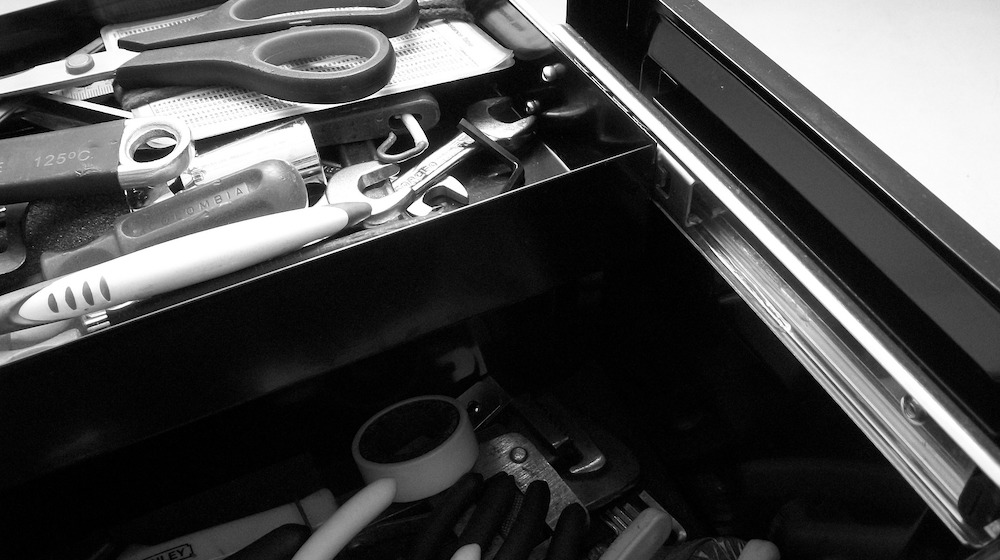

Your workbench toolbox should contain the right set of tools if you want to get any work done. From hammers to screw drivers to drillbits, my toolbox houses everything I need to carry out my DIY projects. But I have a secret compartment for my toolbox that contains some non-conventional tools that will help you out immensely in your projects. Would you believe me if I told you that I keep a toothbrush and toothpicks in my toolbox?
Your Workbench Toolbox Should Have These 9 Non-Conventional Tools
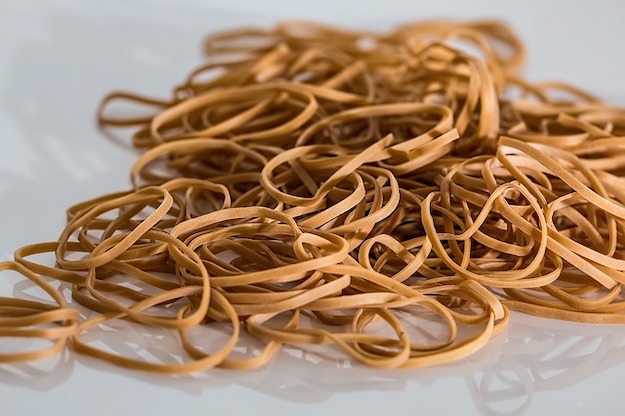
Sometimes, conventional tools can do the job but sometimes, they aren’t cut out to do some very tricky work. For example, a screwdriver cannot remove a misplaced screw in a tight spot, but a magnet can. A clamp may be too big enough to keep two small pieces of wood together, but a rubber band can do the trick. For those old-fashioned DIY enthusiasts like me, we carry around these non-conventional tools for very special reasons. So, what kind of non-conventional tools do I have in my toolbox? Here’s what’s inside:
1. Rubber Bands
2. Resealable Plastic Bags
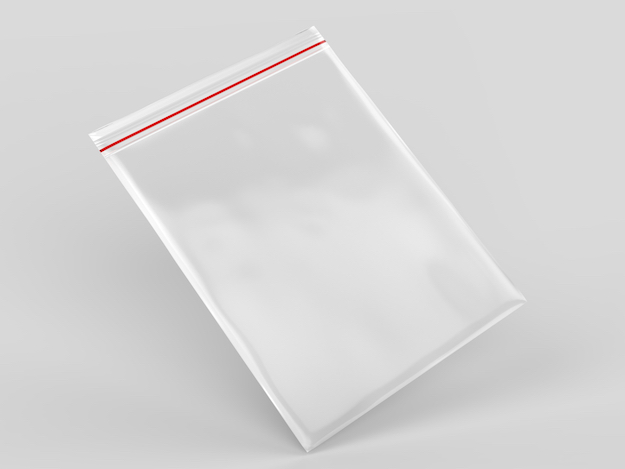
Resealable plastic bags are great containers for screws, bolts, and other small items that usually end up rolling around at the bottom of the toolbox. It also makes sorting a lot easier. This is also used to place your wet brush to prevent the paint from dripping or drying out when you need time to relax or take a break. Get an assortment of resealable plastic bags here.
3. Baby Oil

I can’t count the number of times that my fingers got paint on them, and because paint removers can be harsh, I prefer to use baby oil. They do the job and they keep your hand smooth too. Grab your perfect baby oil right here.
4. Magnet
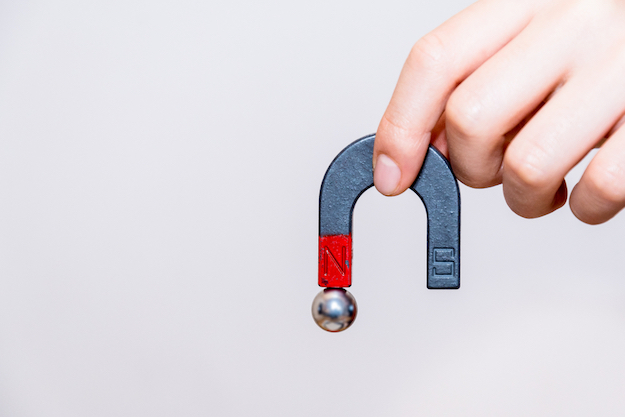
A magnet can be used to retrieve screw or nail that rolls behind a heavy furniture. Tie a string around the magnet and suspend it to where the fallen object might be. It’s like fishing small metals hidden behind huge objects that you can’t easily move aside.
5. String

You can draw a perfect circle with a string. Take a string with the desired length of your radius, then tie a pencil on one end. Pin the other end of the string to the center of your drawing surface. Pull firmly the end with the pencil, and start drawing your circle around the pin.
6. Toothbrush
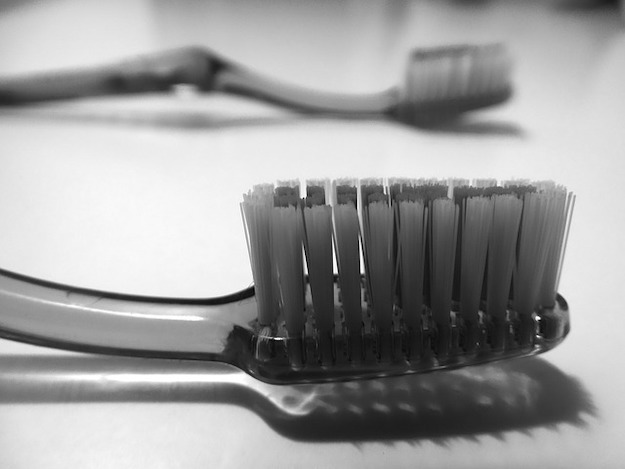
The small head of a toothbrush certainly has a lot of use. It’s good for brushing away dust and dirt from hinges and other hardware. Add a toothbrush to your DIY toolbox right here.
7. Fork
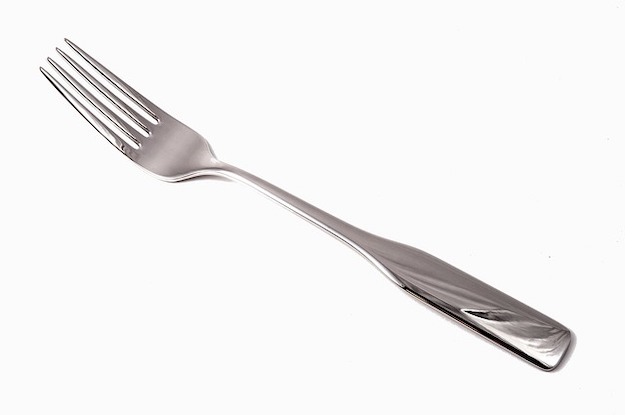
A fork is good for a lot of things. For starters, an old stainless steel fork is good for pulling thin nails from a wall. The space between the tines is as strong as the back part of the hammer, and they can get those nails which are really embedded into the wall. I also use it to hold nails in place before I hammer it in. That way I keep my fingers safe and sound.
8. Empty Water Bottle

A water bottle can be used as a makeshift level. Fill it with water to one of its ridges, then put the bottle on top of the object you want to make a level. The water should line up with the ridge to indicate the object is straight. An empty water bottle can also be used to house different liquids like your baby oil.
9. Toothpicks

can be used to fill in those empty holes made by nails. All you need to do is insert a few of them inside the hole, break them just enough to fill in the hole, and the gap’s filled. You can now paint over it or if you want to reuse the gap, just remove the toothpicks with a fork.
Here’s a video by HICarolina about tools every homeowner should have.
There you go, Mr. Handyman. It shouldn’t be too much to set aside a little compartment in your toolbox for these non-conventional items. You
Click here for more articles about woodworking tools.
Feature Image Via My Ride Is Me