
Quick Summary: Cricut Projects To Sell
- The best cricut projects to sell are custom tumblers, vinyl decals, HTV apparel, personalized home items, and event products.
- Not every cricut product to sell is worth your time. Focus on items with repeat buyers, real margins, and beginner-friendly production.
- What to sell with cricut depends on three things: your available materials, your existing network, and whether the math works before you invest further.
- Cricut business ideas that work long-term share one trait: a clear customer with a concrete reason to buy, not just a nice-looking product.
- Product selection is the first business decision. Pricing, Etsy SEO, and repeat customer systems are all downstream of it.
- The sellers making $900 or more per month consistently picked one or two products and mastered them before expanding.
- Test one product before buying new equipment or stocking new blanks. Four weeks, one real listing, real market feedback.
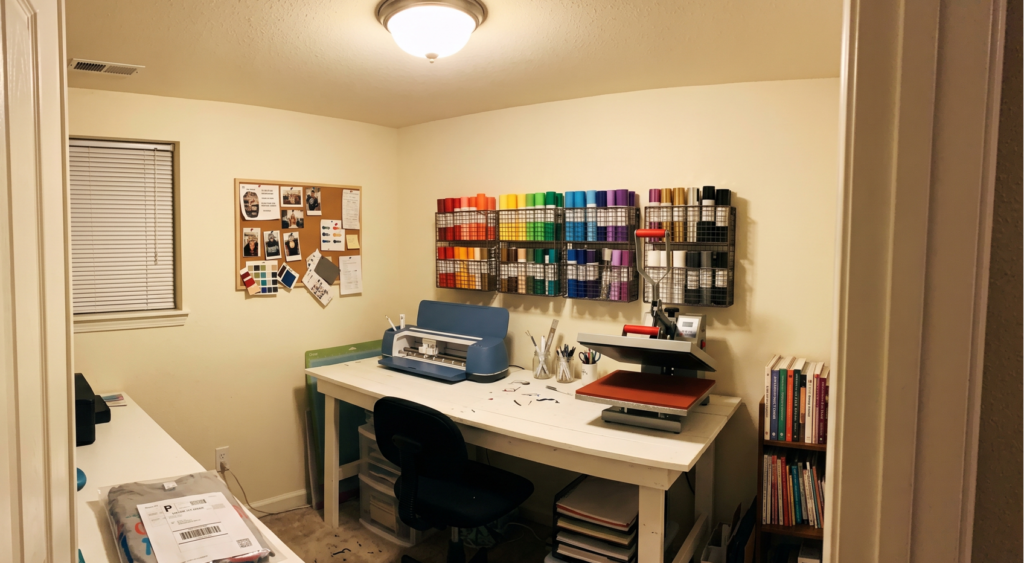
If you search “cricut projects to sell,” you’ll find long lists of products like keychains, bookmarks, tote bags, pet tags, ornaments, baby onesies, door hangers, cake toppers, car decals, wine glasses, notebooks, phone cases. The craft layer is already over-covered. Ten thousand YouTube videos will show you how to finish a tumbler, but not the business side of things.
That’s the gap. The work isn’t the problem. The operating system around the work is what’s missing.
This article covers five cricut business ideas that have real buyers behind them. For each one, you’ll understand who buys it, why they buy it, where to reach them, and what to think through before you commit your materials. Read all five and pick one to test.
Why Product Selection Is the First Business Decision
Most Cricut sellers pick cricut projects to sell based on what they enjoy making. That’s not wrong, but it’s incomplete. You can love making something and still lose money on every unit if the product doesn’t have the right buyer, the right margin, and some version of repeat demand.
A sellable product has three things working in its favor. First, buyers with a concrete reason to buy it, not just people who think it looks nice. Second, a price point that covers your materials, your time, and a real margin without making the buyer hesitate. Third, some version of repeat demand, whether the same customer comes back, the product refills itself seasonally, or local businesses reorder on a cycle.
Understanding what to sell with cricut before you stock blanks isn’t overthinking it. It’s the step that separates sellers who figure things out in month two from sellers who are still guessing in month eight.
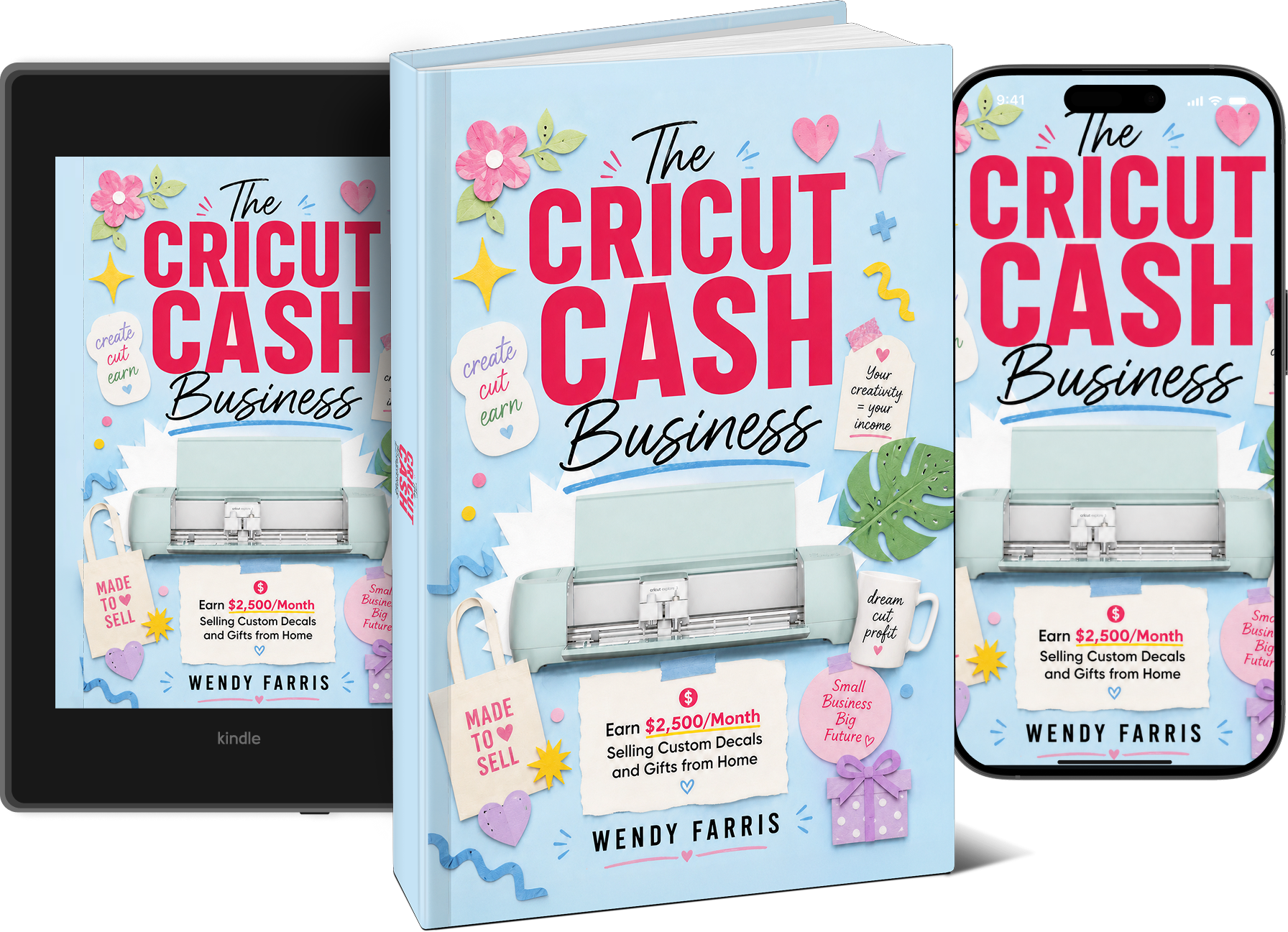
If you want the full system behind the products, The Cricut Cash Business walks through the pricing math, Etsy setup, order workflow, repeat customer follow-up, and local accounts that most tutorials leave out.
Turn “you should sell these” into income, without quitting your job
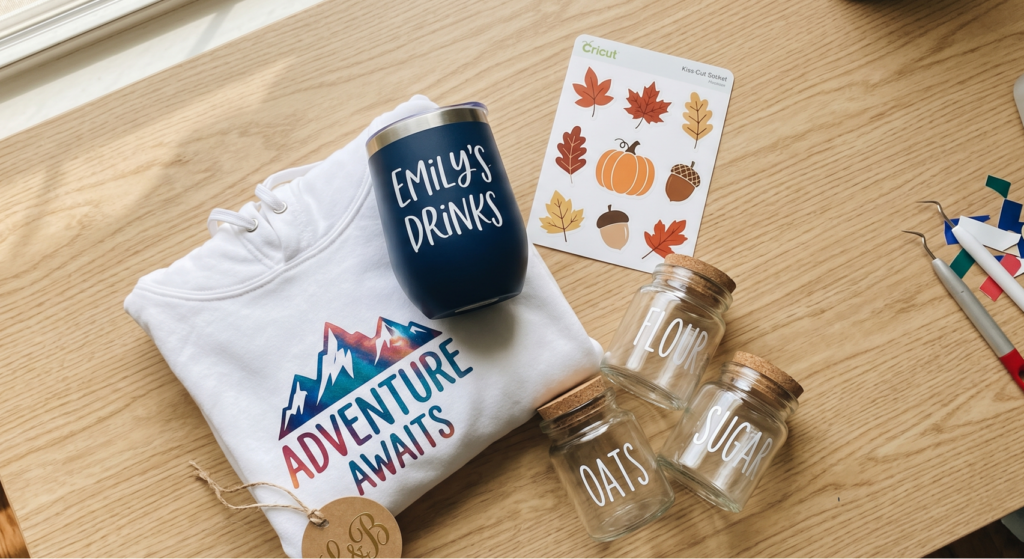
Trying to buy your first crafting setup piece-by-piece can be a lot. Some beginners forget that one crucial tool and end up completely stuck right in the middle of their very first project. If you want to skip the trial and error and just jump straight into the fun part, an all-in-one bundle like this one:
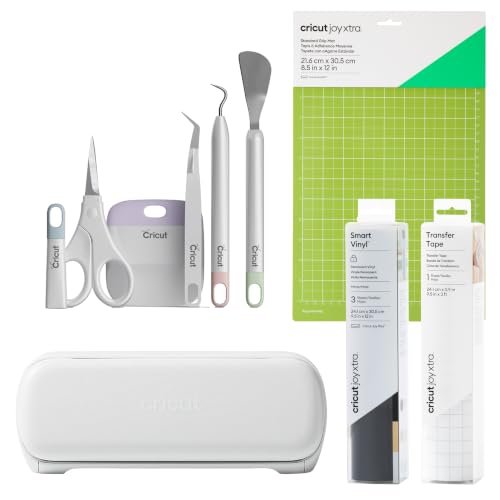
- BUNDLE INCLUDES – Cricut Joy Xtra Smart Cutting Machine, StandardGrip Machine Mat, Smart Vinyl…
- ENDLESS CREATION & PERSONALIZATION – Cricut Joy Xtra works with 50+ materials, including vinyl…

Five Profitable Cricut Products
These five have real buyers, real margins, and a clear path to repeat orders.
1. Custom Tumblers and Drinkware Wraps
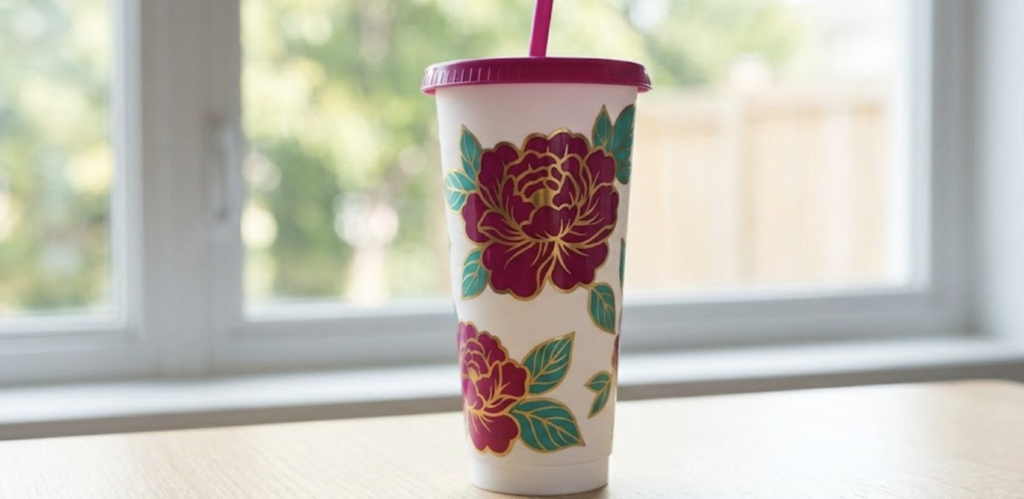
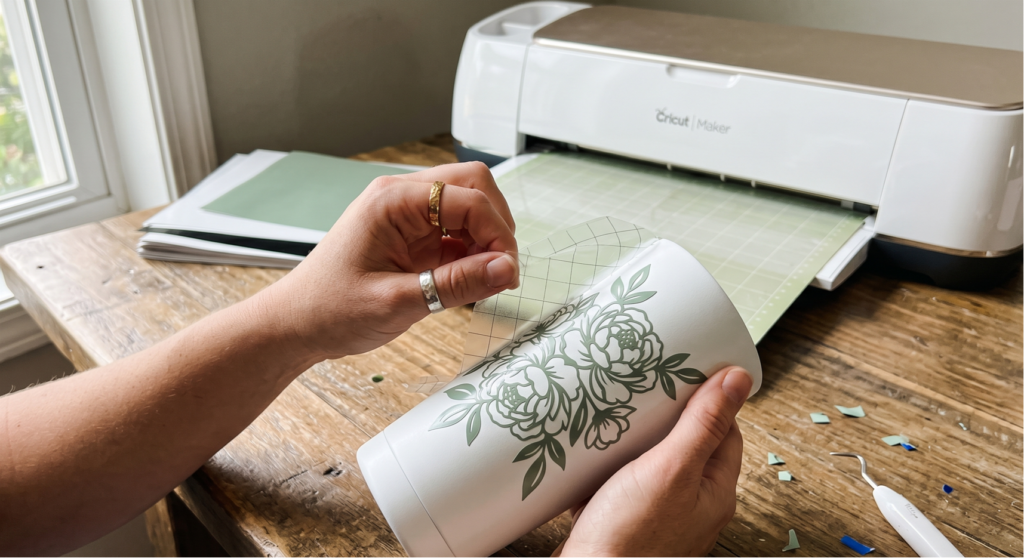
What it is: A vinyl decal or heat transfer design applied to a tumbler, Stanley cup, water bottle, or similar drinkware. Most commonly personalized with a name, monogram, occupation, sport, or phrase.
Why it sells: Personalized drinkware is one of the most consistent cricut projects to sell on Etsy and at local markets. The buyer can hold it, see her name on it, and hand it to someone as a gift without explaining what it is. Buyers do not need to be educated on the product. They already know they want it.
The personalization element also creates natural scarcity. A tumbler that says “Rachel” belongs to Rachel. It is not sitting in an Amazon warehouse competing on price. That is one of the few cricut business ideas where a one-person shop has a real structural advantage over mass production.
Who buys it: Primarily women 25 to 55 buying gifts for birthdays, bridesmaid sets, baby showers, teacher appreciation, and graduation. Coaches ordering for team rosters. Businesses ordering for employee recognition events. Real estate agents ordering client gifts in batches of 12 to 24. That last group is worth paying attention to. They place larger orders, they have deadlines that make them less price-sensitive, and they come back on a predictable cycle.
Where to sell it: Etsy is the primary discovery channel for individual buyers searching by occasion or name. Direct client relationships, especially with local businesses, are where the higher-margin volume comes from. One real estate agent with a quarterly gifting budget is worth more than a dozen one-off Etsy orders.
Before you start: The margin on drinkware depends heavily on your blank cost. A tumbler blank you buy in a pack of five has a very different cost basis than one you buy in a pack of twenty-four. Work the numbers before you commit to a price. Also account for transfer tape, packaging, and your time per unit. If a $28 tumbler takes 45 minutes to produce and ship, understand what that means for your hourly return before you build a shop around it.
2. Vinyl Decal Sets and Custom Sticker Sheets
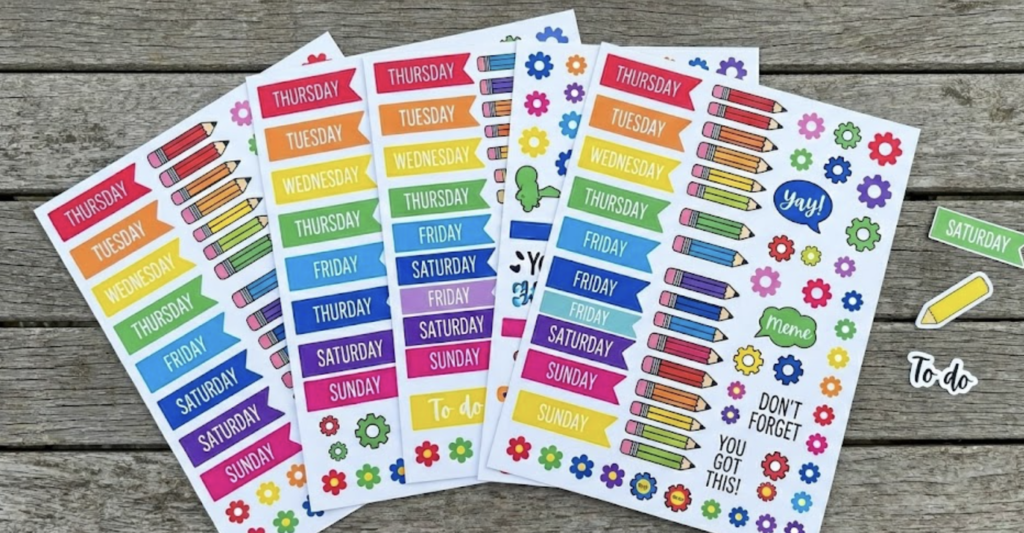
What it is: Cut vinyl decals or sticker sheets, either personalized (name on a water bottle, monogram on a laptop) or themed (seasonal sets, hobby-specific designs, small business branding).
Why it sells: The production cost on decals is low. Oracle 651 is durable, widely trusted, and priced reasonably when bought in bulk rolls. The product ships flat, which keeps your packaging simple and reduces damaged-in-transit issues. Buyers already understand the product. You are not asking them to imagine anything.
Themed sticker sheets have a second advantage: they do not require personalization, which means you can produce inventory ahead of demand. A sheet of fall-themed kitchen decals, a set of seasonal holiday labels, a collection of branded stickers for a local coffee shop. Those cricut products to sell have a production cadence that does not require a custom intake form for every order.
Who buys it: Individual buyers looking for personalization on items they already own. Small businesses that want branded decals for packaging, windows, or promotional materials. Teachers buying labels for classroom supplies. Parents personalizing school gear every August. That last one is genuinely seasonal and genuinely repeatable every fall.
Where to sell it: Etsy works well for individual buyers. Local small businesses are a consistent B2B channel that most Cricut sellers underuse. A bakery that wants branded packaging stickers, a boutique that wants custom logo decals for its retail bags, a salon that wants window vinyl for a new location. Those are real cricut business ideas that do not require you to compete on Etsy search rank at all.
Before you start: Decals are one of the more competitive categories on Etsy, which means your listing photographs and titles matter more than in lower-volume categories. A great product with a bad photograph and a listing title that does not match how buyers actually search will not sell. Learn basic Etsy SEO before you open the shop, not after you have 30 listings live and no sales.
3. Heat Transfer Vinyl Apparel
What it is: A design cut from heat transfer vinyl and pressed onto a shirt, hoodie, apron, hat, or similar fabric item using a heat press.
Why it sells: Apparel with personalization on it is a consistent gift and group-order category across nearly every occasion. Bachelorette parties. Family reunions. Team sports. Work events. Sports parent gear. The occasions that drive apparel purchases are predictable, they come on a calendar, and the buyer who ordered matching shirts for one bachelorette party will be planning a friend’s event in eighteen months. As cricut projects to sell go, group apparel has one of the highest average order values in the category.
The heat press is a real cost of entry here. A decent press runs $200 to $350 used. That is not a trivial number, but it is a one-time cost that opens a significantly higher-volume product category. Apparel average order values run higher than decals because buyers order in quantities and because the finished product costs more to produce.
Who buys it: Bachelorette and bridal parties are the most consistent buyer group in this category. Family reunion organizers. Sports parents who want coordinating sideline gear. Small businesses ordering branded aprons, polos, or event shirts. Schools and nonprofits ordering staff shirts for events.
Where to sell it: Etsy captures the individual-occasion buyer well. Group orders, reunions, and business apparel often come through direct outreach or local word of mouth. Once you have done one bachelorette set and the photos are good, the referrals from that group can run for years. Brides talk to other brides.
Before you start: HTV apparel has a steeper production learning curve than decals. Material compatibility matters. Stretchy fabrics behave differently under a heat press than cotton. Test on each new blank type before you take an order. A ruined shirt in a customer’s order is a refund, a negative review, and a replacement cost stacked on top of each other.
4. Personalized Home and Organizational Items
What it is: Vinyl applied to home items to personalize or organize them. Address signs, name signs for kids’ rooms, pantry label sets, laundry room labels, spice jar labels, and similar cricut products to sell.
Why it sells: New homeowners want personalization. Parents of young children want organization. Both groups have a concrete purchase trigger that is not dependent on a gift occasion. The buyer is not waiting for a birthday. She wants her pantry labeled now. That shortens the decision cycle considerably.
Organizational label sets have a repeat-purchase angle that single-item products lack. A buyer who ordered your pantry label set and loved it will come back when she moves, renovates, or buys labels for a family member. When you are thinking about what to sell with cricut for long-term customer value, home organization products hold up well.
Who buys it: New homeowners in the first one to two years after purchase. Parents of newborns and toddlers who are in the organizing phase. People going through a kitchen renovation or a home refresh. Professional organizers who buy in bulk for client projects. That last group is a B2B angle most Cricut sellers never consider.
Where to sell it: Etsy captures the individual homeowner well, particularly if your listings are optimized for the searches new homeowners actually run. Local interior decorators and professional organizing services are a small but reliable B2B channel with potential for batch orders.
Before you start: Home decor trends move. Products that reference a specific aesthetic have shorter shelf lives than products that reference a specific function. If you build a shop entirely around one trend, monitor the search data periodically and plan for refresh cycles.
5. Custom Event Items
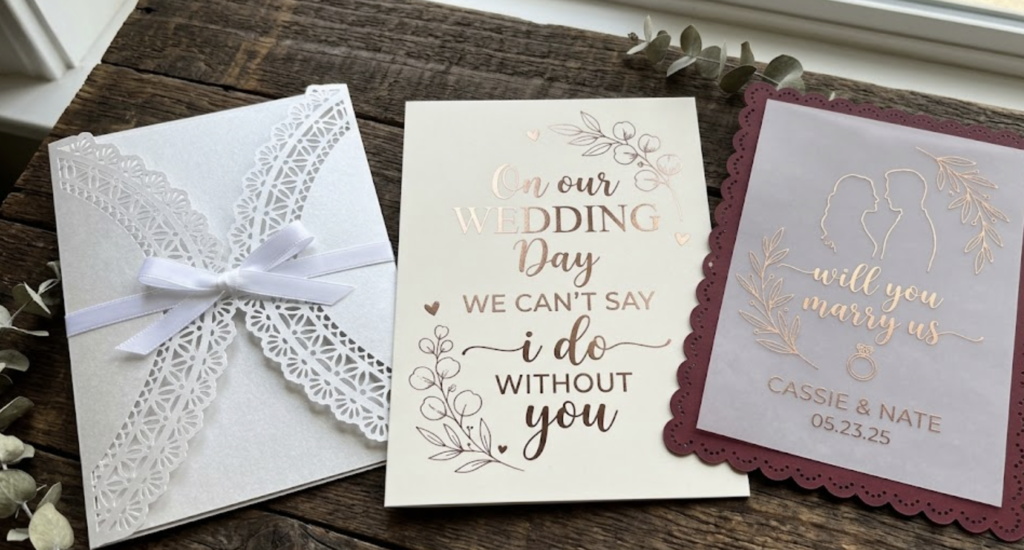
What it is: Event-specific cricut projects to sell in quantity for a single occasion. Wedding welcome signs, table number sets, favor tags, custom koozies, wine glass decals for a bachelorette, logo signs for a corporate event or trade show booth.
Why it sells: Events have hard deadlines. A bride whose wedding is in six weeks does not have the luxury of waiting for a better option. Deadline pressure reduces price sensitivity and comparison shopping in ways that open-ended purchases do not. Buyers in this category tend to be faster to commit.
Events also tend to involve quantities. A wedding favor order is not one item, it is 80 items. That volume changes the math significantly compared to individual retail orders. A higher production run on a single design is more efficient than 20 separate personalized orders for 20 different buyers. For sellers thinking about cricut business ideas that generate meaningful revenue per transaction, event work deserves serious consideration.
Who buys it: Brides and their wedding planners. Party hosts for milestone birthdays and anniversaries. Corporate event coordinators who need branded signage, centerpieces, or giveaways. Venue owners who contract for seasonal or ongoing decor. Once you establish a relationship with a wedding planner or a venue, that single contact can generate multiple referrals per season.
Where to sell it: Etsy captures brides in active research mode. A strong portfolio and consistent five-star reviews on completed event orders will drive conversions directly, because buyers are looking for proof you can deliver on a deadline. Local wedding venue relationships and referrals from planners are the highest-efficiency channel in this category.
Before you start: Event orders are high-stakes. A mistake on a personalized wedding order cannot be corrected the way a retail order can. Build your production process to catch errors before the product ships, not after. Set your turnaround times conservatively. Missing a deadline for a wedding is not recoverable the same way missing a delivery date on a birthday gift is.
Common Mistakes When Selecting Cricut Products to Sell
Picking what you enjoy making rather than what has buyers. Enjoyment matters, but it is not a business case. You need both: a product you are willing to make 40 times and a clear group of people who will pay a real price for it.
Trying to carry too many product types at once. A shop with 15 different cricut business ideas in its first three months is a shop that has not mastered any of them yet. The listings are inconsistent, the production process is fragmented, and the Etsy shop sends no coherent signal about what it specializes in. Pick one or two related products and go deep before you expand.
Underpricing to get the first sale. A price you cannot sustain is not a starting price. It is a mistake that trains your first customers to expect something you will need to charge more for later. Price correctly from the first order, even if it takes longer to get there. This applies to every category of cricut products to sell.
Ignoring the repeat purchase angle. The difference between a shop that makes $200 in a random month and one that makes $900 consistently is usually the repeat customer. Products that have natural reorder triggers, seasonal refreshes, or ongoing volume relationships are worth prioritizing over products that are single purchases with no natural follow-up.
Buying equipment before testing demand. You do not need a professional heat press to test whether bachelorette apparel has a market in your area. You need one test order with equipment you already have or can borrow. Validate demand first. Equipment comes after you know what you are producing at volume. This applies to every cricut business idea on this list.
What Comes Next
Pick one product from this list. Run the cost math on a single unit before you order anything. Blank, vinyl, transfer tape, packaging, your time. See what price you’d need to charge. Then check Etsy to see if comparable products are actually selling at that price. If they are, there’s a market. If they aren’t, revisit the blank supplier before you revisit the product.
Everything after that, the pricing formula that holds at bulk, the Etsy title that shows up in search, the follow-up that brings a one-time buyer back six weeks later, the local business account that reorders without being asked, that part is a system. It’s learnable. It’s not in this article but you can find them in The Cricut Cash Business. One book, the whole operating system, in the order you actually need it.
Turn “you should sell these” into income, without quitting your job
FAQ
1. What are the most profitable cricut projects to sell for beginners?
Custom tumblers and vinyl decal sets are the most accessible starting points for most beginners. Tumblers have a higher per-unit price and a clear gift buyer, which makes them easier to sell at a real margin. Decal sets have lower material costs and simpler production, which makes them easier to produce consistently. Both are cricut products to sell with well-established Etsy demand, which means you are not trying to create a market from scratch.
2. How many cricut products to sell should I start with?
One. Two at most if they share the same blank type or production process. Starting with multiple unrelated cricut business ideas splits your attention, fragments your Etsy shop’s search signal, and makes it harder to know which product is working and which one is not. The sellers who reach consistent monthly income fastest are almost always the ones who went deep on one product before expanding.
3. Is Etsy still a good place to sell cricut projects?
Yes, with a qualification. Etsy is a search engine. You either show up for the keywords your buyer is typing or you do not show up at all. Shops that list cricut products to sell without understanding how Etsy search works will see little to no traffic regardless of how good the product is. The platform has real buyers with real purchase intent. The work is getting your listing in front of them.
4. How do I price cricut business ideas correctly without undercharging?
Start with your actual material cost per unit at the quantities you can buy today, not future bulk pricing. Add your production time at an hourly rate you would accept for skilled labor. Add packaging and shipping materials. That total is your floor. Check Etsy for what comparable cricut projects to sell are actually clearing at, meaning products with reviews, not just listings with prices. If your floor is below the market rate, price at the market rate. If your floor is above it, revisit your blank supplier before you revisit your price.
5. What cricut products to sell have the best repeat customer potential?
Corporate gifting accounts have the highest repeat value of any customer type in the cricut business ideas space. A real estate agent, insurance office, or mortgage broker that orders branded client gifts on a quarterly cycle will spend more with you over twelve months than dozens of one-off Etsy buyers. Organizational label sets also generate natural repeat purchases when buyers move, renovate, or refer a friend. Build your customer list around accounts with predictable reorder cycles.
6. Do I need a social media following to sell cricut projects successfully?
No. A social media following is one distribution channel among several, and it is not the most efficient one for most one-person Cricut shops. The sellers who build consistent income from cricut products to sell do it through Etsy search visibility, direct B2B relationships with local businesses, and repeat customer follow-up, not through follower counts. You need 40 repeat customers, not 4,000 followers. Those are completely different things with completely different paths to get there.
7. When should I buy a second machine or a heat press?
After you have validated demand, not before. Equipment purchases are easy to justify when you are excited about cricut business ideas and have not yet tested the market. The honest answer is that you should buy the heat press when your current production capacity is the actual bottleneck, meaning you have more confirmed orders than your setup can handle. A second machine or a press sitting idle while you wait for your first ten sales is a sunk cost, not an investment. Test what to sell with cricut using what you have. Buy equipment to meet demand that already exists.
QUICK POLL
What kind of Cricut project do you actually get excited to make?
Not in the choices? Comment down below:)