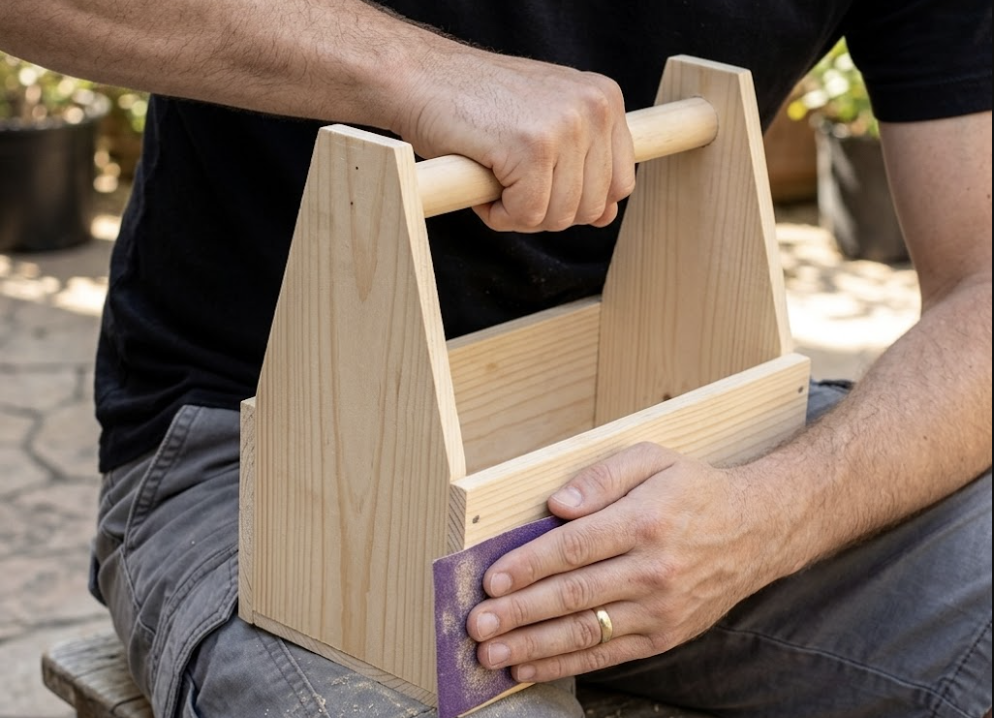

At a Glance: DIY Classic Wooden Toolbox
- How to build a classic, heavy-duty wooden tool tote from standard 1.80 cm stock with a solid, comfortable dowel handle.
- A complete material breakdown, exact component dimensions, and a beginner-friendly assembly workflow requiring only basic shop tools.
- Actionable fixes for common woodworking mistakes, ensuring you avoid wood splitting, grain blowout, and blotchy finishes.
There’s something deeply satisfying about heading into the workshop, clearing off the workbench, and turning a raw sheet of wood into something functional. Whether you are looking to build a heartfelt, handmade Father’s Day gift that Dad will actually use every single day, or you just want a clean, rewarding weekend DIY project to sharpen your carpentry skills, this wooden tool tote hits the sweet spot.
Materials List
- Lumber: One 4×4 foot handy-panel of 1.80 cm (approx. 3/4-inch) plywood or solid pine board.
- Dowel: One 3.50 cm diameter hardwood dowel (at least 60.00 cm long).
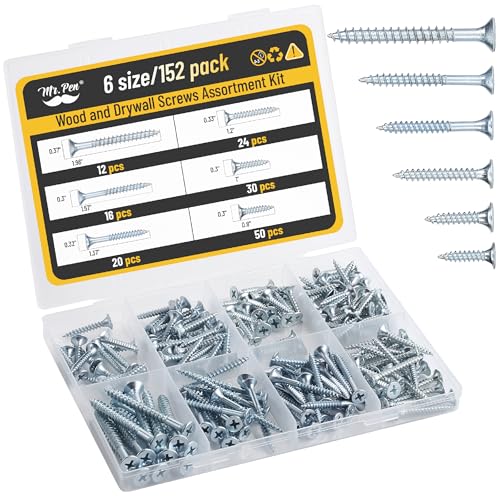
- Fasteners: 3.80 cm (1.5-inch) wood screws or 18-gauge brad nails.
- Adhesive: High-strength wood glue.
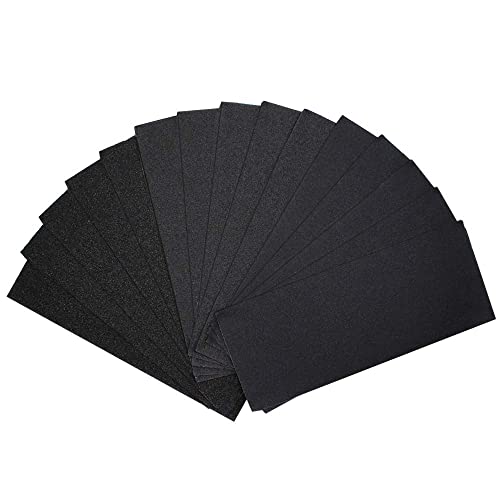
- Finishing: 120-grit and 220-grit sandpaper, plus a low-VOC wood sealer or oil.



Master Cut List
| Component | Qty | Thickness | Width | Length | Shape |
| 1. Base Panel | 1 | 1.80 cm | 24.40 cm | 56.40 cm | Rectangle |
| 2. Long Side Panels | 2 | 1.80 cm | 25.00 cm | 60.00 cm | Rectangle |
| 3. End Gable Panels | 2 | 1.80 cm | 28.00 cm | 43.87 cm | Tapered Hexagon |
| 4. Round Handle Dowel | 1 | 3.50 cm (Dia.) | — | 60.00 cm | Cylinder |
For your next woodworking project, you can use our free Cut List Optimizer. It lays out every piece on your plywood sheet so you get the most out of every board and avoid wasting wood.
DIY Classic Wooden Toolbox Step-by-Step Instructions
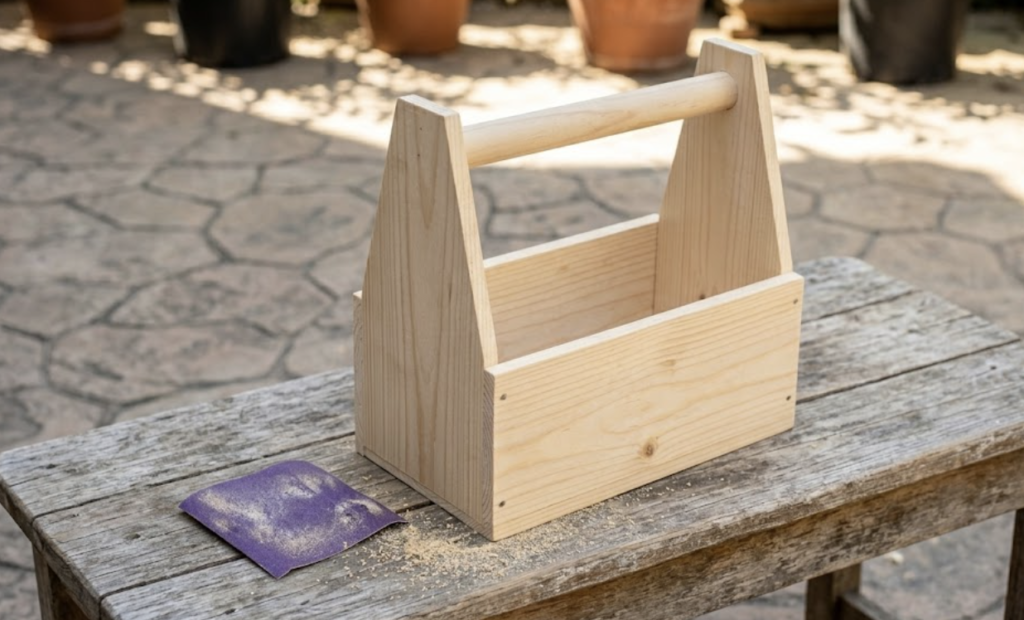
Step 1: Cut and Taper the End Gables
Cut your two End Gable blanks to 28.00 cm wide by 43.87 cm tall. Measure 25.00 cm up from the bottom on both side edges and mark it. On the top edge, mark the horizontal center line, then measure 4.23 cm outward in both directions to leave a flat top edge of 8.46 cm. Draw a straight line connecting the 25.00 cm side marks to the top edge marks, and cut along these lines with a jigsaw or miter saw to create the angled shoulders.
Step 2: Drill the Handle Holes
On the upper tapered section of both End Gable panels, locate the exact center point just below the 8.46 cm top flat edge. Use a 3.50 cm Forstner bit or spade bit to bore a clean hole through each panel to house the handle dowel.
Step 3: Prep and Sand the Pieces
It’s much easier to sand your wood before it is put together! Take some time to thoroughly sand the inside faces of all your cut panels and the round dowel handle using 120-grit, then 220-grit sandpaper.
Step 4: Assemble the Core Box
Lay your Base Panel flat on your work surface. Apply a thin, even bead of wood glue to its short (24.40 cm) edges and press the End Gable panels flush against them. Secure them with clamps. Next, apply glue to the bottom long edges and the lower vertical sides of the gables, then attach your two Long Side Panels. Fasten everything securely by driving screws or brad nails through the side panels into the base and gables.
Step 5: Lock in the Handle
Slide the 60.00 cm Round Handle Dowel completely through the holes in both End Gables until the ends sit perfectly flush with the outside faces. Apply a small drop of glue inside the hole connection. To keep the handle from spinning when carrying heavy tools, drive a single small finishing nail down through the top peak of the gable directly into the dowel. Wipe away any squeezed-out glue with a damp cloth and let it dry.
5 Common Mistakes & How to Fix Them
- Mistake: Splitting the 1.80 cm wood panels when driving in fasteners near the edges.
- The Fix: Always pre-drill your screw holes using a countersink bit. This removes the packed wood fibers and gives the screw threads a clean path without wedging the wood apart.
- Mistake: Massive wood splintering and blowout on the back side of the handle hole.
- The Fix: Do not push the drill bit completely through from one side. Drill until the tiny center pilot tip of your Forstner or spade bit just barely pokes through the back face, then flip the board over and finish drilling from the other side.
- Mistake: The tool tote rocks or wobbles because the assembly is out of square.
- The Fix: As soon as you clamp the panels together, measure diagonally from corner to corner in an “X” shape across the box. If the two diagonal measurements are identical, your box is perfectly square. Adjust your clamps slightly if they don’t match.
- Mistake: Ugly blotches and bare spots appearing during the final staining step.
- The Fix: This is caused by dried wood glue squeeze-out. Keep a damp rag on hand and immediately wipe away any wet glue that seeps out of the joints during assembly, as dried glue permanently blocks wood stain from absorbing.
- Mistake: The long side panels overhang or fall short of the end gables.
- The Fix: Ensure your base panel is cut precisely to 56.40 cm. When sandwiched between two 1.80 cm gables, the total length hits exactly 60.00 cm, aligning perfectly flush with your side panels. Dry-fit everything before applying glue.
Once the glue fully cures, you are left with an incredibly tough, heirloom-quality piece of functional craftsmanship. Drop in your daily-use tools, give it a coat of your favorite protective oil, and enjoy a timeless piece of utilitarian woodworking!
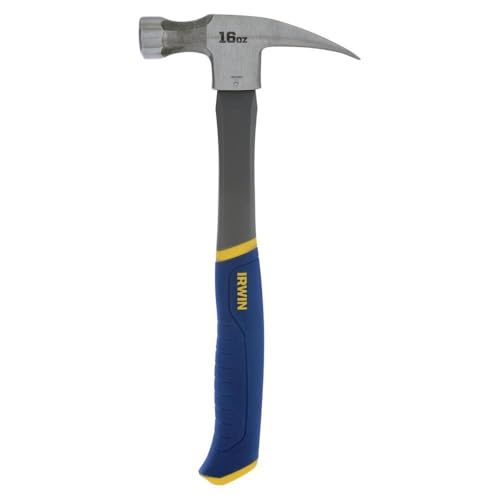
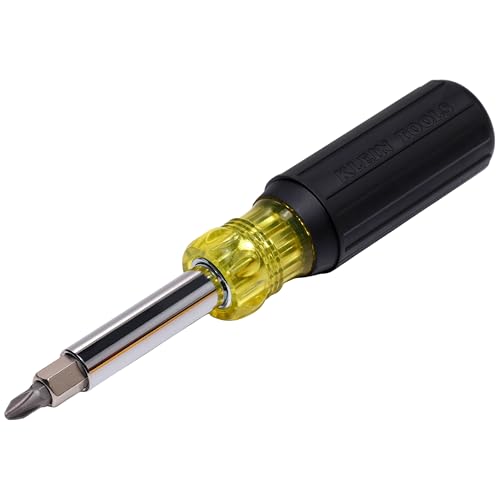
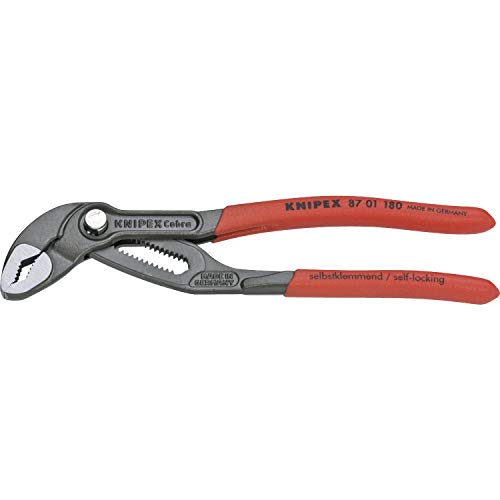
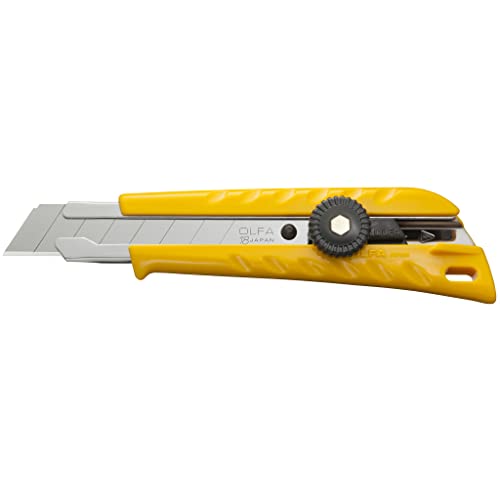
Now that you’ve got a new toolbox, it might be time to upgrade a few of the tools inside it, too. These picks are compact, durable upgrades that fit right in your toolbox and make weekend builds smoother. And with Father’s Day coming up, these are perfect for the DIYer Dad in your life who already has the basics but wouldn’t mind better ones.

5 FAQs
1. Can I use standard 3/4-inch or 18mm plywood for this project?
Absolutely! The 1.80 cm panel thickness specified throughout the plan is functionally identical to standard 18mm or 3/4-inch lumber products sold at local lumberyards and big-box stores.
2. What specific drill bit size do I need for the handle hole?
You will want to use a standard 35mm (or 1-3/8 inch) Forstner bit. This matches the 3.50 cm handle diameter requirement perfectly and cuts an incredibly clean, flat-bottomed hole.
3. Can I build this tool tote without a table saw?
Yes, easily. You can make all of your straight cuts using a standard circular saw guided by a clamped straightedge, and use a handheld jigsaw to cut out the angled shoulders on the end gables.
4. What is the best wood choice if I want to use this outdoors?
If the tool tote is going to be exposed to weather, mud, or damp truck beds, rot-resistant woods like Cedar or Redwood are fantastic choices. For a classic indoor or workshop look, standard Select Pine or Baltic Birch plywood works beautifully.
5. Is wood glue and nails strong enough, or do I absolutely need screws?
If you use a high-quality wood glue, the chemical bond is actually stronger than the wood itself. Standard 18-gauge brad nails or finish nails are perfectly adequate to hold the panels together securely while the glue cures for normal everyday tool transport.
Quick Poll
What should we build together next?
Not in the choices? Comment down below!