
At a Glance: The Best Stud Finders 2026 Guide
- Stud finders locate the wood beams behind your drywall so shelves stay mounted instead of crashing down.
- Top picks include Franklin ProSensor M210 for beginners, Bosch GMS120 for detecting wires, Zircon A200 for budget buyers, C.H. Hanson for no batteries, and Klein Tools for big projects.
- Move slowly across the wall, mark both edges of the stud, find the center, and tap to verify before drilling.
Skipping wall scanning before drilling leads to loose anchors and shelves crashing at 2 a.m. That’s why every pro DIYer uses a stud finder to locate the solid wood framing behind drywall instead of guessing and hoping for the best. This guide shows you the 5 best stud finders of 2026, plus the no-fail process for using one so your next shelf stays mounted for good.
What Is a Stud Finder? (Your Secret Weapon for Organization)
A stud finder locates the wooden framing beams, called studs, hidden behind your drywall. These 2×4 or 2×6 boards are spaced 16 or 24 inches apart and form your wall’s skeleton.
Why do studs matter?
Studs are the only part of your wall strong enough to hold serious weight. The drywall itself can handle picture frames and lightweight decor. But when you hang pantry shelves loaded with canned goods, bookshelves packed with hardcovers, or bike storage holding two mountain bikes, you’ll need these wooden beams to securely mount heavy loads.
Top 5 Best Stud Finders for Hanging Heavy Shelves (Updated January 2026)
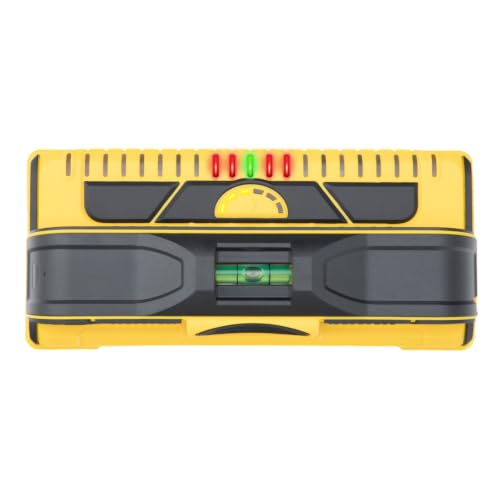
1. Best Overall: Franklin ProSensor M210
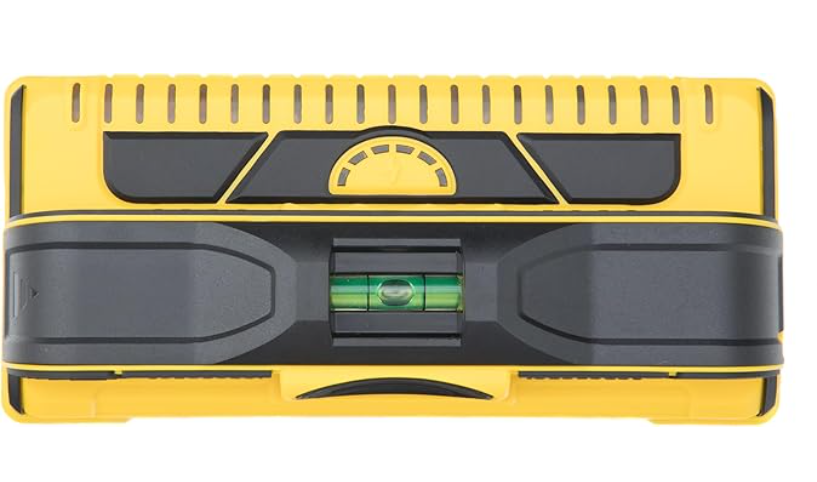
image from Amazon
What sets it apart: 13 sensors across the face show you exactly where the stud is, both edges and center. No hunting, no guessing.
Perfect for: First-time users who want to skip the learning curve.
The catch: Needs a 9V battery. Keep a spare handy.
2. Best for Advanced Safety: Bosch GMS120 Digital Multi-Scanner

image from Amazon
What sets it apart: Detects wood studs, metal pipes, and live electrical wiring. Critical for kitchen or bathroom projects.
Perfect for: Jobs where drilling into a pipe or wire isn’t an option.
The catch: Multiple modes require 5 minutes with the manual.
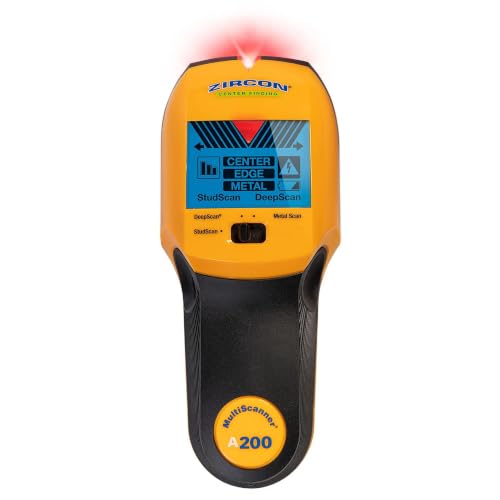
3. Best Value: Zircon MultiScanner A200
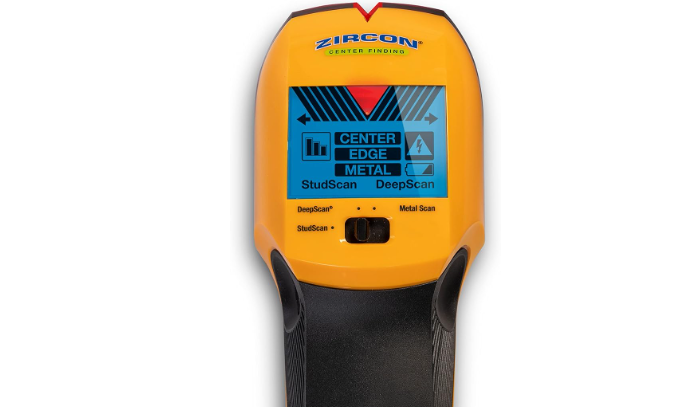
image from Amazon
What sets it apart: “SpotLite” feature shines an arrow exactly where you need to mark.
Perfect for: Beginners who want accuracy without spending $60+.
The catch: You’ll still want painter’s tape or a pencil for final marking.
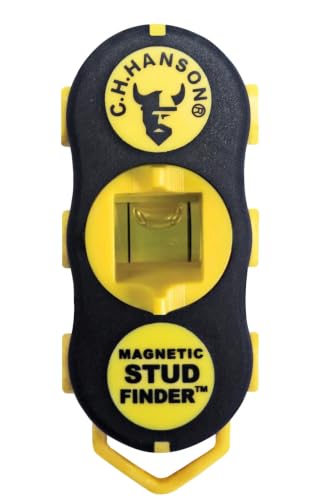
4. Best Magnetic (No Batteries): C.H. Hanson 03040
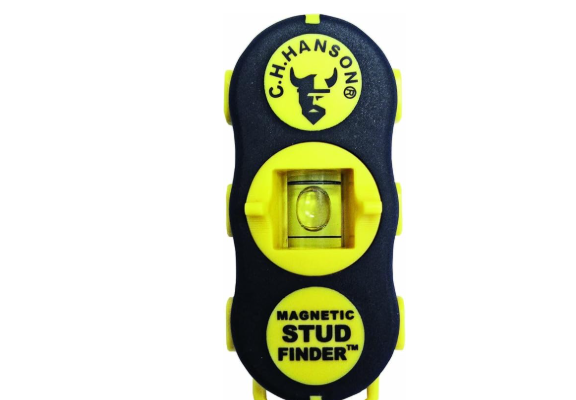
image from Amazon
What sets it apart: Rare-earth magnets find the metal screws in studs. No batteries, no calibration. Built-in level included.
Perfect for: Quick jobs and tight budgets.
The catch: Finds screws, not studs directly. Double-check your marks.
5. Most Ergonomic: Klein Tools ESF150LL
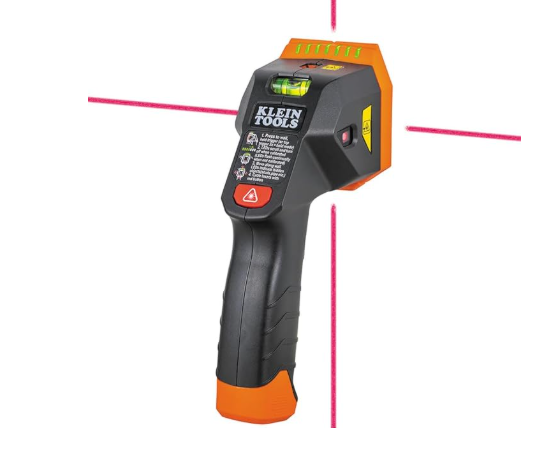
image from Amazon
What sets it apart: Pistol-grip design and built-in lasers make large projects comfortable.
Perfect for: Mounting multiple shelves or full closet systems.
The catch: Bulky for single-shelf jobs.
How to Use a Stud Finder: A Beginner-Friendly Guide
Step 1: Prep & Calibrate
Check batteries. Place tool flat against hollow wall. Press button and wait for ready signal.
Step 2: Slow Sweep
Slide horizontally at one inch per second. Moving too fast gives false readings.
Step 3: Mark Edges & Find Center
Mark where the stud starts and ends. Measure between them. The center is your drill spot.
Step 4: Mark It
Use painter’s tape or light pencil. Tape won’t leave marks and you can write on it.
Step 5: Verify
Tap your mark with your knuckle. Solid “thud” means wood. Hollow “thunk” means scan again.
Frame Your Success
A stud finder helps remove all those “wall anxieties.” No more wondering if your shelf will tip to one side next week and no more unstable shelves that make you nervous every time you add another book. Pick one of these 5 detectors, start locating those support beams, and finally hang that DIY project for everyone to see.
Want to make sure you get it right the first time? We put together a free printable checklist for you!
DOWNLOAD THE FREE NO-FAIL MOUNTING CHECKLIST HERE


Frequently Asked Questions
What is a stud finder used for?
A stud finder locates wooden or metal studs behind drywall so you can securely mount heavy shelves, TVs, and cabinets. It prevents damage from drilling into hollow walls that can’t support weight.
Do I really need a stud finder to hang shelves?
Yes, if your shelf will hold more than 10 pounds. Wall anchors in drywall fail under heavy loads. A stud finder ensures you drill into the wood framing that can support 50+ pounds per screw.
How accurate are stud finders?
Modern electronic stud finders are 95%+ accurate when used correctly. Move slowly (1 inch per second), calibrate on a hollow wall first, and verify with a knock test for best results.
Can a stud finder detect wiring and pipes?
Multi-scanners like the Bosch GMS120 can detect live electrical wires and metal pipes. Basic stud finders only locate wood or metal framing. Check your model’s specifications before drilling.
How much does a good stud finder cost?
Quality stud finders range from $15 to $60. Magnetic models start at $15, basic electronic finders cost $25 to $35, and advanced multi-scanners with wire detection run $45 to $60.