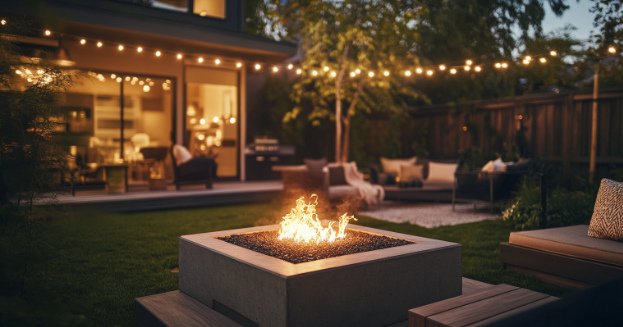
A backyard fire pit is more than just a place to burn wood—it’s the heart of outdoor gatherings. Whether you’re planning cozy nights under the stars or casual get-togethers with friends, the right fire pit setup makes all the difference. But before you start stacking bricks, there are a few key steps to consider. Use this guide in building a safe, stylish, and long-lasting fire pit area that will be the highlight of your yard
1. Choose the Best Spot for Your Fire Pit
Before you start digging, pick a safe and practical location. Fire safety should always be the top priority. Choose a clear area at least 10–20 feet from your house, trees, fences, or other combustible structures. Also, check your local fire codes—some areas restrict open flames.
In addition, consider the wind direction. Smoke should blow away from seating areas, not into them. A flat surface works best, so if your yard tends to slope, you might want to level the ground before building.
🔥 Pro Tip: Many cities have online resources to check fire pit regulations. The National Fire Protection Association offers useful guidelines on outdoor fire safety.
2. Gather the Right Materials and Tools
Once you’ve chosen the location, gather your supplies. Here’s what you’ll need:
- Fire pit bricks or heat-resistant retaining wall blocks
- Fire-resistant adhesive or mortar
- Steel fire ring (optional item that helps protect bricks)
- Gravel or sand for the base
- Shovel and rake for digging and leveling
- Tape measure and level for accuracy
- Tamper or hand compactor for a stable foundation
Consider adding pavers, flagstone, or gravel around the fire pit for a more finished look. This will create a cleaner, more defined seating area.
3. Mark and Dig the Fire Pit Area
Now it’s time to prepare the site. Start by measuring and marking the fire pit’s shape with spray paint, string, or a garden hose. A typical fire pit is 36 to 44 inches in diameter. Once marked, dig a 6–8-inch-deep hole.
Remove any rocks or debris, then smooth out the base using a rake. Next, compact the ground with a tamper to create a solid foundation. For better drainage, spread a 2-inch layer of gravel or sand before placing bricks.
🔥 Did You Know? Gravel prevents water from pooling inside your fire pit, reducing the risk of cracks and damage over time.
4. Build the Fire Pit Wall
Now, begin stacking the bricks. Lay the first row along the pit’s edge, keeping them close together. Use a level to check for even placement. If you’re using a steel fire ring, place it inside before securing the bricks with fire-resistant adhesive.
Stack at least two or three layers of bricks to strengthen the structure, staggering the joints in each row. Once finished, let the adhesive cure for at least 24 hours before using the fire pit.
🔥 Want expert tips? Check out This Old House for a detailed guide on building a sturdy fire pit foundation.
5. Design a Comfortable Seating Area
A fire pit isn’t complete without a well-planned seating space. Consider these ideas to enhance comfort and functionality:
- Built-in stone benches for a permanent and stylish option.
- Adirondack chairs for a classic and cozy feel.
- Gravel or paver patio to create a clean, mud-free surface.
- Outdoor cushions and rugs to add color and texture.
For extra lighting, hang string lights or use solar lanterns to brighten up the space at night. This creates a welcoming atmosphere and also improves visibility after dark.
6. Fire Safety and Maintenance Tips
A backyard fire pit should always be used with safety in mind. Keep these key tips in mind:
- Have a bucket of water, sand, or a fire extinguisher nearby.
- Burn only seasoned hardwood like oak or hickory to minimize smoke.
- Never use gasoline or lighter fluid—opt for natural fire starters instead.
- Regularly remove ashes to maintain proper airflow.
Also, always supervise children and pets around the fire. Once you’re finished using the fire pit, make sure the flames are fully extinguished before leaving it unattended.
🔥 Bonus Tip: The Smokey Bear Website offers excellent fire safety resources to help prevent outdoor fires.
Enjoy Your Backyard Fire Pit
By following these steps, you can build a functional and inviting backyard fire pit. Whether you’re making s’mores, catching up with friends, or just relaxing under the stars, this outdoor feature will quickly become the highlight of your yard.
Are you ready to get started? Leave a comment below and tell us how your backyard fire pit turned out! 🔥
FAQs
1. Do I need a permit to build a backyard fire pit?
It depends on local regulations. Some areas require permits, while others have specific fire safety rules. Check with your city or county before beginning your project.
2. What materials should I avoid using for my fire pit?
Avoid regular concrete blocks, river rocks, and limestone. These materials can crack or explode when exposed to extreme heat. Instead, use heat-resistant fire bricks or retaining wall blocks.
3. How deep should I dig for a fire pit base?
A depth of 6–8 inches is ideal. This provides a stable foundation and helps with water drainage.
4. Can I place my fire pit on grass or a wooden deck?
It’s not recommended. Fire pits should sit on non-flammable surfaces like gravel, stone, or concrete. If placing one on a deck, use a fire-resistant pad underneath.
5. What’s the best type of wood to burn?
Hardwoods like oak, hickory, and maple burn longer and produce less smoke than softwoods like pine or cedar. Never burn treated or painted wood, as it releases harmful chemicals.
6. How do I reduce smoke from my fire pit?
Use dry, seasoned hardwood and arrange logs in a teepee or log cabin style for better airflow. Consider a smokeless fire pit design for even less smoke.
7. How do I safely put out a fire in my fire pit?
Let the fire burn down to embers, then pour water over it while stirring to ensure everything is fully extinguished. Never leave a fire unattended.
8. What’s the ideal size for a backyard fire pit?
Most fire pits range from 36 to 44 inches in diameter. This size provides enough space for a strong fire while keeping seating areas safe from excessive heat.
9. How do I keep my fire pit in good condition?
Remove ashes regularly, keep the area dry, and cover the pit when not in use. If using bricks, check for cracks over time.
10. Can I cook over my backyard fire pit?
Yes! Fire pits work well for cooking, but use a grill grate to keep food elevated. Stick to hardwoods for fuel, as softwoods release sap and unwanted chemicals.