
At a Glance: How to Tone Down Orange Wood
- Keep the grain, lose the orange. A thin tan or greige paint wash takes honey oak toward a pale, raw white oak look.
- Tan, not white. A warm neutral cancels orange. Bright white can turn oak pink or chalky.
- Seal it so it stays pale. A clear water-based topcoat keeps the new color. Oil-based finishes can turn it orange again.
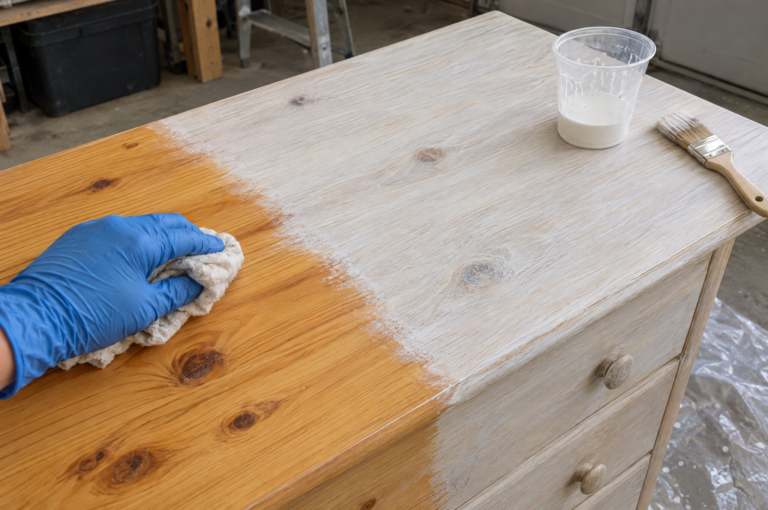
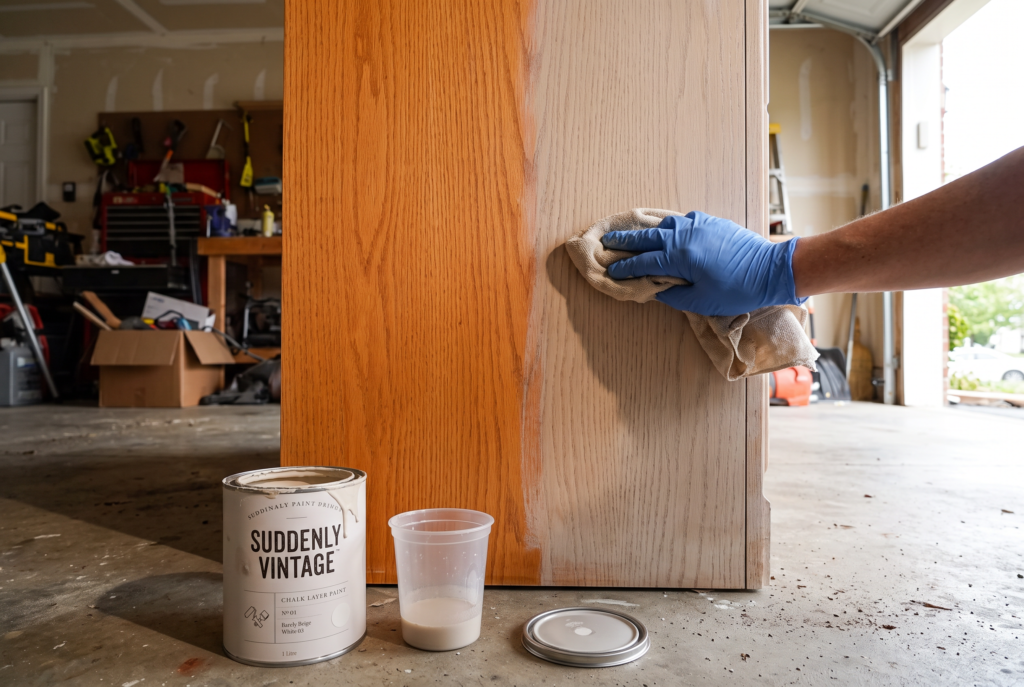
Here’s how to tone down orange wood without painting over the grain: scuff or strip the old shiny finish, wipe on a thin wash of tan or greige paint, wipe most of it back, then seal it with a clear water-based topcoat. Plan on a weekend for a dresser. Not sure your piece should change? Start with wash, paint or leave it. Ready? See the color that works, jump to the steps, or check the gear that helps.
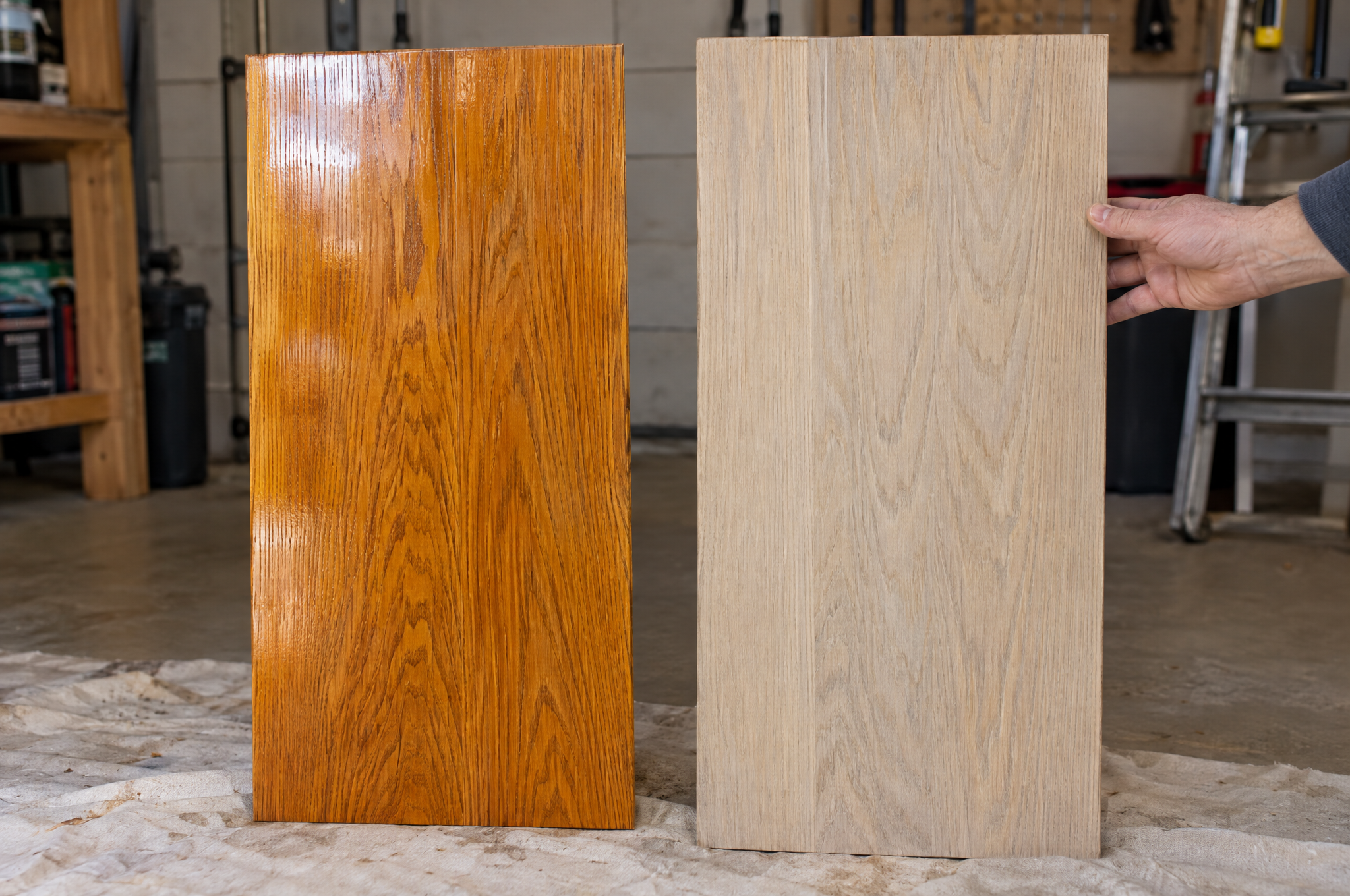
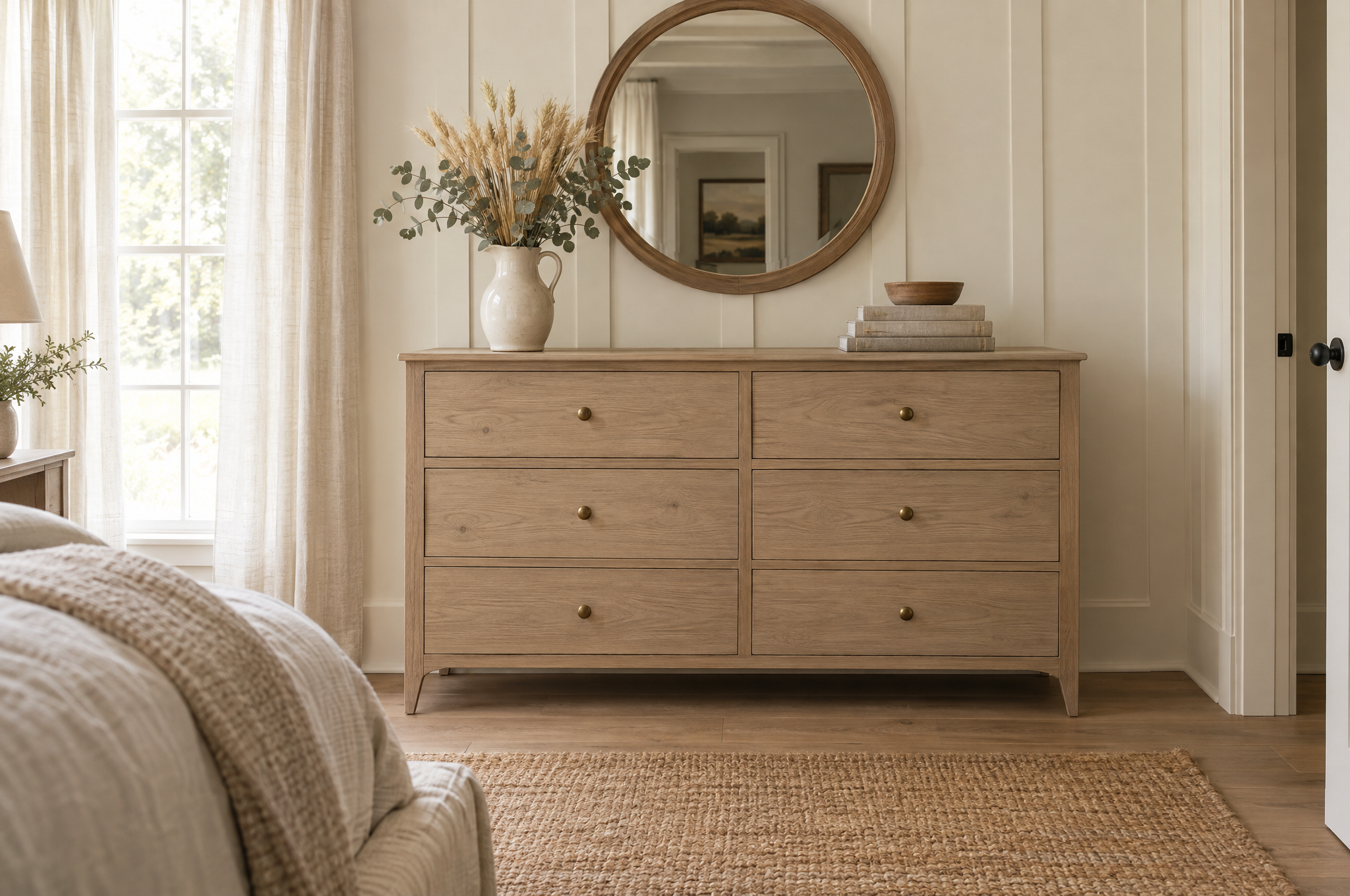
Lots of people say the same thing about their old oak: they love the wood, they just don’t love the orange. One reader online put it simply: “I really like the wood, but it’s a bit too orange in my opinion.” A neutral wash is the fix. You keep real wood with real grain, and the piece looks like the pale, pricey oak you see in furniture stores.
Should you wash it, paint it or leave it orange?
A wash is the middle path between paint and plain old oak. Here’s how to pick.
Wash it if it’s solid oak or pine with grain you like, and the only problem is the orange or yellow cast. It’s the way to tone down orange wood and still keep it looking like wood.
Paint it if the piece is laminate, the veneer is chipped, or you want a real color. A wash can’t hide damage. For full color, see these chalk paint furniture ideas.
Leave it if it’s a valuable antique or a family piece you love as it is. A wash is hard to undo.
A note on regret: pale wood is popular right now, and warm wood tones are also making a comeback. If you’re on the fence, test the back of a drawer and live with it for a week. This short video covers when a paint wash makes sense and when it doesn’t.
What color wash tones down orange wood?
To tone down orange wood, reach for a muted, warm neutral. Think taupe, greige, light tan or a soft beige. These quiet the orange without making the wood look painted.
- Light tan or greige: the most natural raw wood look on red or honey oak. Start here.
- Soft beige with a touch of gray: cools down very orange pine.
- White: only on pine or maple you want truly light. On red oak it can read pink. For a white finish, see how to whitewash furniture.
Flat or matte paint looks most like bare wood. A sample pot from the hardware store is plenty for a nightstand.
What are the two biggest mistakes when toning down orange wood?
Hiding the grain. A wash that’s too thick, or left on too long, dries like paint. Then the wood looks blurry and flat, which is the exact look people complain about. Keep the mix watery, wipe it back within a minute or two, and build up with a second coat if you want more.
Sealing it orange again. Oil-based polyurethane and some oils add an amber tint. Put one over your new pale finish and the orange creeps right back. Use a clear water-based topcoat instead.
What do you need to tone down orange wood?
Enough for one dresser or nightstand
Some links in this list go to Amazon. As an Amazon Associate, we earn from qualifying purchases at no extra cost to you.
- Tan or greige latex paint. A sample pot or a quart in flat or matte.
- A cup and a stir stick. For mixing the wash.
- Cheap brushes. A pack of 2.5 inch chip brushes is perfect for slapping on a wash. They shed a bit, so save a better brush for the topcoat.
- Lint-free cloths. For wiping the wash back evenly. A pack of lint-free microfiber cloths works, or use old cotton T-shirts.
- A fine sanding sponge. An extra-fine 320 grit sanding sponge scuffs a shiny finish and smooths between coats.
- Degreaser and a scrub pad. Old furniture polish keeps the wash from sticking.
- Paint stripper, a scraper and chemical gloves. Only if you want the full raw wood look and need the old finish off.
- Clear water-based topcoat. A crystal clear water-based satin polyurethane keeps the new tone from turning orange again.
Quick tip: Pull out a drawer and test the wash on its side first. Let it dry fully before you judge, since the color shifts as it dries.
How do you tone down orange wood step by step?
This method works on oak and pine dressers, nightstands and tables. Want to watch it first? This short tutorial tones down a piece of orange oak with a paint wash.
1. Take it apart and clean it
Remove the knobs, pulls and drawers. Scrub every surface with degreaser and a scrub pad, then rinse with a damp cloth. Let it dry.
2. Scuff it or strip it
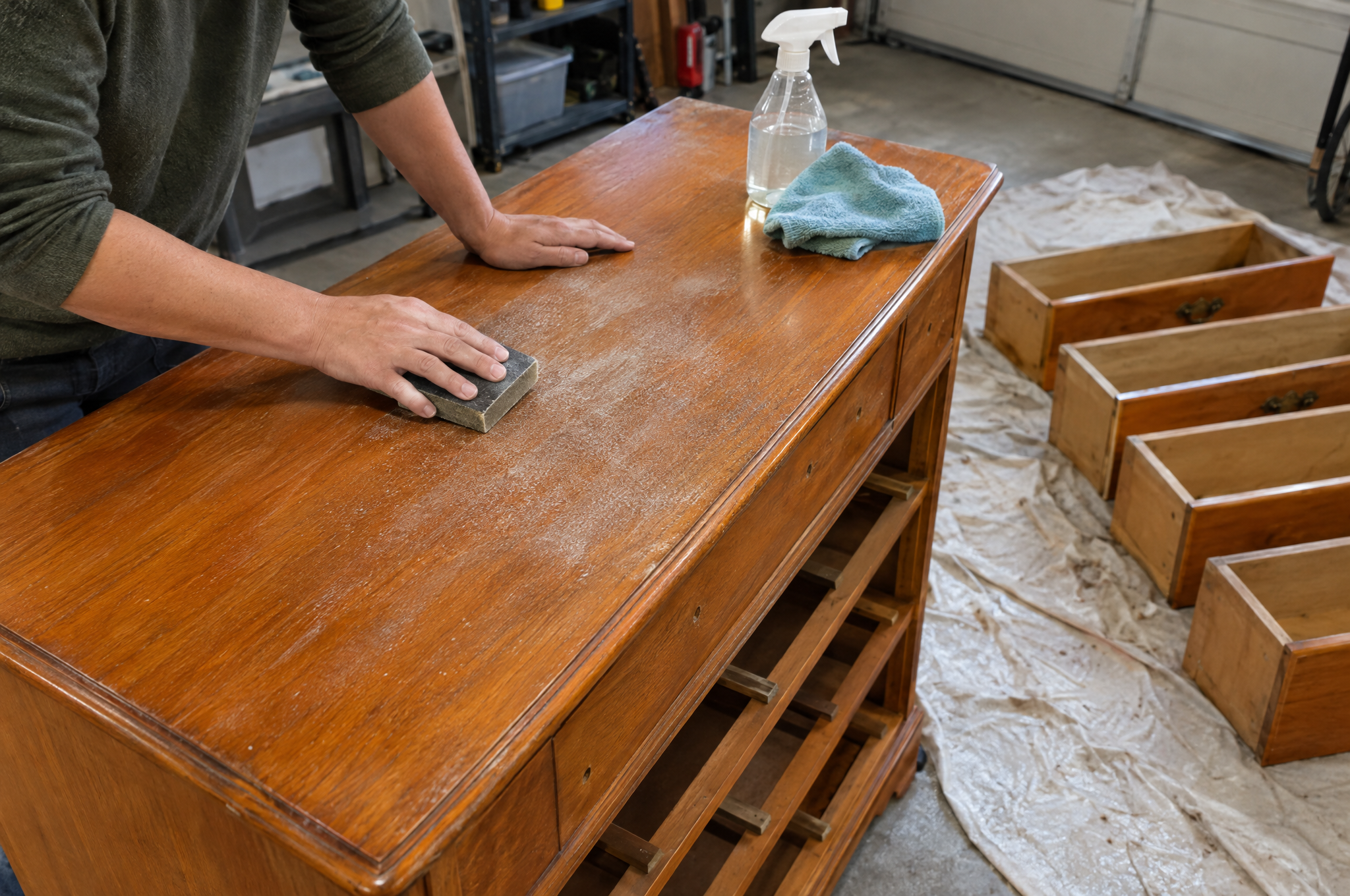
For a soft change, scuff the old finish with the fine sanding sponge until the shine is gone. For the full raw wood look, strip the finish down to bare wood, following the stripper’s label for gloves and airflow. Bare wood drinks the wash in and gives the most natural result. Check the lead note first on very old pieces.
3. Mix a thin wash
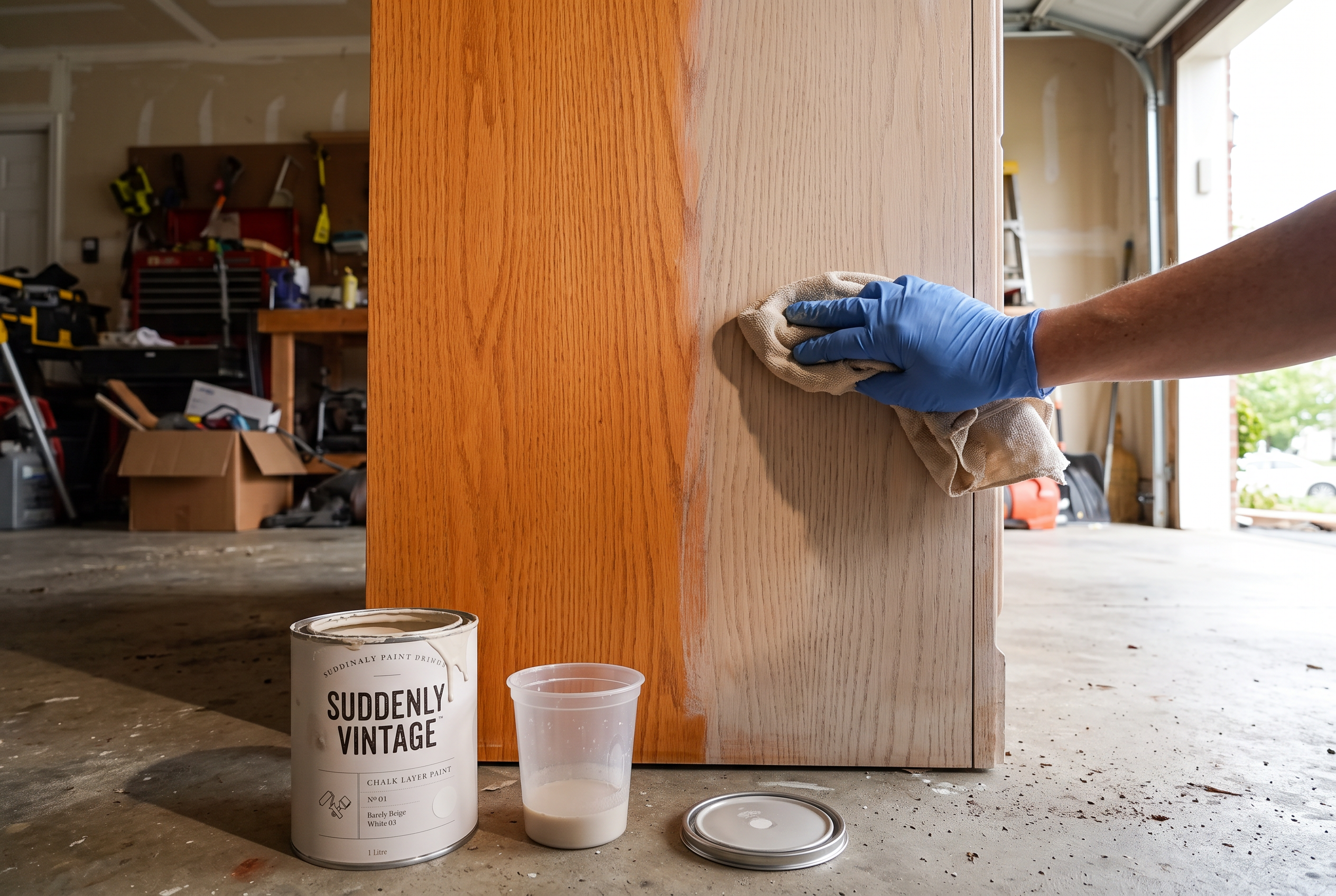
Start with about 1 part paint to 3 parts water. It should look like thin milk. Brush a stripe on your test spot. Too faint? Add a little more paint.
4. Brush it on, then wipe it back
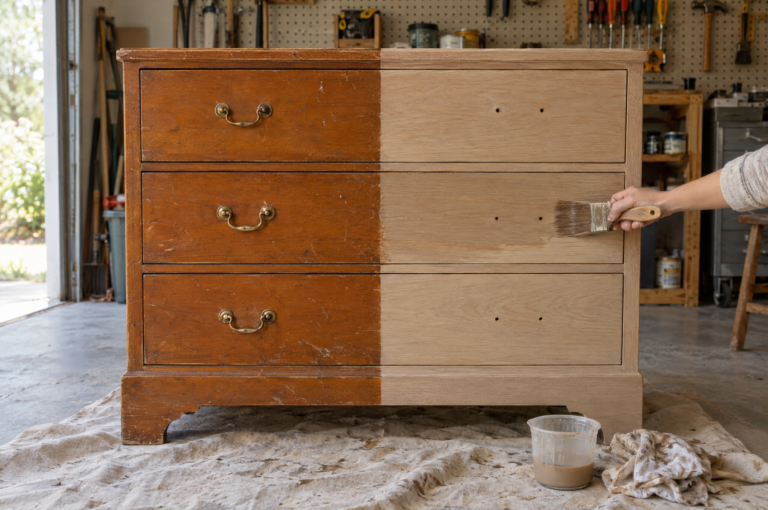
Work one drawer front or panel at a time. Brush the wash on with the grain, wait a minute, then wipe with the grain using a lint-free cloth. The longer it sits, the lighter and more opaque it gets. Keep your timing the same on every panel so the color matches.
Here’s a full dresser done this way, so you can see how the color builds.
5. Let it dry and check it in daylight
Give it at least an hour, then look at it near a window. Still too warm? Add a second thin coat and wipe it back. If the grain feels rough, smooth it lightly with the 320 grit sponge.
6. Seal it clear
Brush on two thin coats of clear water-based topcoat in matte or satin, following the dry time on the can. Skip oil-based finishes. They can tint the wood orange again.
Want a solid color instead? Our guide on how to paint wood furniture covers the prep.
What gear helps you tone down orange wood?
Two things decide whether this finish lasts: a topcoat that stays clear, and brushes you don’t mind trashing. The paint itself can be a sample pot.
The topcoat is the big one. A water-based clear coat won’t add the amber that oil-based finishes can, so your pale wood stays pale. This one dries crystal clear in a satin sheen. A half pint covers a nightstand, so get two for a big dresser.
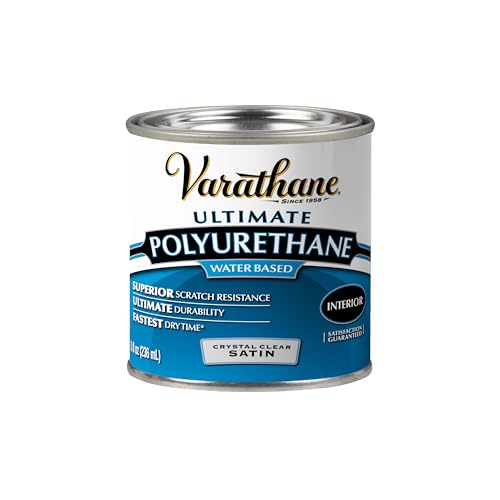
- Protects indoor wood surfaces such as furniture, windows, cabinets, trim and more
- Water based formula dries fast and cleans up with soap and water

This post contains affiliate links. If you buy through them, we may earn a small commission at no extra cost to you.
Cheap chip brushes are made for washes. Use one, toss it, grab another. They do shed a few bristles, so pick them out as you go and use a better brush for the topcoat.
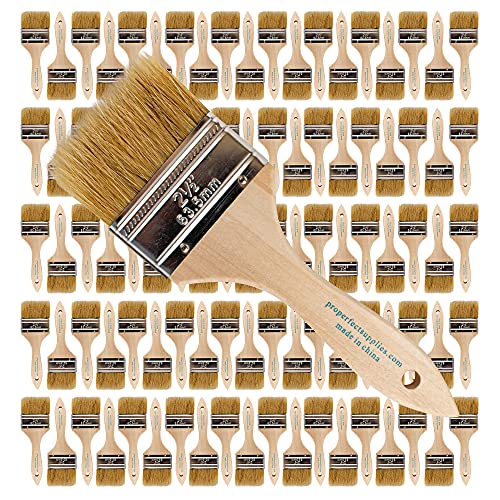
- 2.5 Inch Wide Chip Brushes for Stain & Resin – Disposable natural bristle paint brushes built for...
- Natural bristle filaments provide smooth application for paint, stain and coatings.
This post contains affiliate links. If you buy through them, we may earn a small commission at no extra cost to you.
How much does it cost to tone down orange wood?
These are planning estimates for one dresser. Prices change, so check before you shop.
- Budget build, about $20. A paint sample pot, chip brushes and old T-shirts. Wash over a scuffed finish and skip the topcoat on a low-use piece.
- Mid range, about $50. Add degreaser, a fine sanding sponge, lint-free cloths and a can of water-based topcoat.
- Quality build, about $100. Add paint stripper, a scraper, chemical gloves and a second can of topcoat for a big piece you’ll use every day.
When should you call a pro?
Old painted or finished furniture can carry lead paint, and the EPA lists refinishing old furniture as one way people get exposed. If the finish might be from before 1978, have it tested before you sand or strip, and hire a lead-safe certified pro if it tests positive.
Call a furniture refinisher for a valuable antique or for thin veneer that’s lifting. Stripping and sanding through veneer is easy to do and hard to fix.
Where should you go next?
- Want it lighter still? Learn how to whitewash furniture.
- Want full color? Browse these chalk paint furniture ideas.
- Want to sell what you fix? Here’s how to flip furniture for Facebook Marketplace.
Ready to lose the orange?
You don’t need new furniture to get the pale oak look. Pick one piece, test the wash on the back, and keep it thin. Once you tone down orange wood on a nightstand, the dresser is next, and your room starts to feel lighter without losing that real wood warmth.
Your shareable result: shoot a before and after of the same drawer front, side by side, in the same window light. With a subtle change like this, that side-by-side is the picture that sells it.
Got a before and after? Pin it to Pinterest, drop it in our comments on Facebook, and tag us on Instagram so we can see the grain shine.
A few helpful answers
Tone down orange wood FAQs
Colors, prep and keeping it pale.
A thin tan paint wash over a scuffed finish. Scuff the shine off, wipe on a watery wash of tan or greige paint, wipe it back, and seal with a clear water-based topcoat. It’s the quickest way to tone down orange wood without stripping.
Mostly, yes, but scuff the shine first. A wash needs something to grip. A fine sanding sponge or a scuff pad over a clean finish is enough for a subtle change. For the full raw wood look, strip to bare wood.
You can get close. A light tan or greige wash on stripped oak gives a pale, natural look much like white oak. Test on a hidden spot, since every piece takes color a little differently.
Not if you seal it with the right finish. Oil-based polyurethane and many oils add an amber tint. A clear water-based topcoat keeps the color you made. Bright sun can still warm up pale wood over time.
Tan or greige for most oak. A warm neutral tones down orange and keeps the wood looking natural. Bright white can turn red oak pink or chalky, so save it for pine or maple you want truly light.
You tone down an orange oak dresser to that pale raw wood look. Will it still look high-end in 10 years?
This one splits people. Some say pale natural wood is timeless. Others say it’s the next gray and warm wood will win again. Plenty say it lasts only if the grain still shows.
What made you pick that, and how has a trend you followed held up in your home? Vote, then tell us in the comments.